7 Strategies To Scale A Solo Venture Without Investors
Mar 30, 2026



Creative ideas can become rewarding projects that help you earn extra income while developing valuable new skills. Whether you design an online course, start a focused membership group, or create a micro-consulting gig, you can build something meaningful from the ground up. This guide introduces ten exciting digital project options, explains how to choose the right starting point, and offers practical steps to turn your concept into a successful launch. By following each section, you’ll discover how to bring your ideas to life and take concrete action toward building your own small digital venture.
You’ll find clear steps, real examples, and friendly pointers to keep momentum. No fluff—just practical insight you can act on today.
By focusing on real needs and your personal talents, you’ll land an idea that feels natural and exciting to grow.
Each of these ideas keeps startup costs low while allowing you to showcase what you do best. Pick one that energizes you and start working on it.
Testing ideas early can save you time and money. Validating with real prospects ensures you build something people truly want.
Create consistent content that highlights your expertise and personality. Short blog posts or social videos can attract curious visitors and build trust.
Share stories from your first customers. Ask them to provide quick testimonials or photos. Genuine feedback influences potential clients more than ads.
Run small ad campaigns. Use low-cost Facebook or Instagram ads targeting people who like related pages. Track conversions and increase budgets for successful ads.
Partner with micro-influencers in your niche. Offer them free access or a small fee to promote your project to their engaged followers.
Host free demos or Q&A sessions. These events generate excitement, answer questions, and encourage attendees to become paying users.
Focus on one idea that matches your skills, test it quickly, and share your progress. This approach helps you gain momentum and learn valuable lessons as your digital project develops.

Many people have creative abilities such as drawing, writing, or composing music, and those skills can become sources of income through digital products. Turning your...
Mar 30, 2026
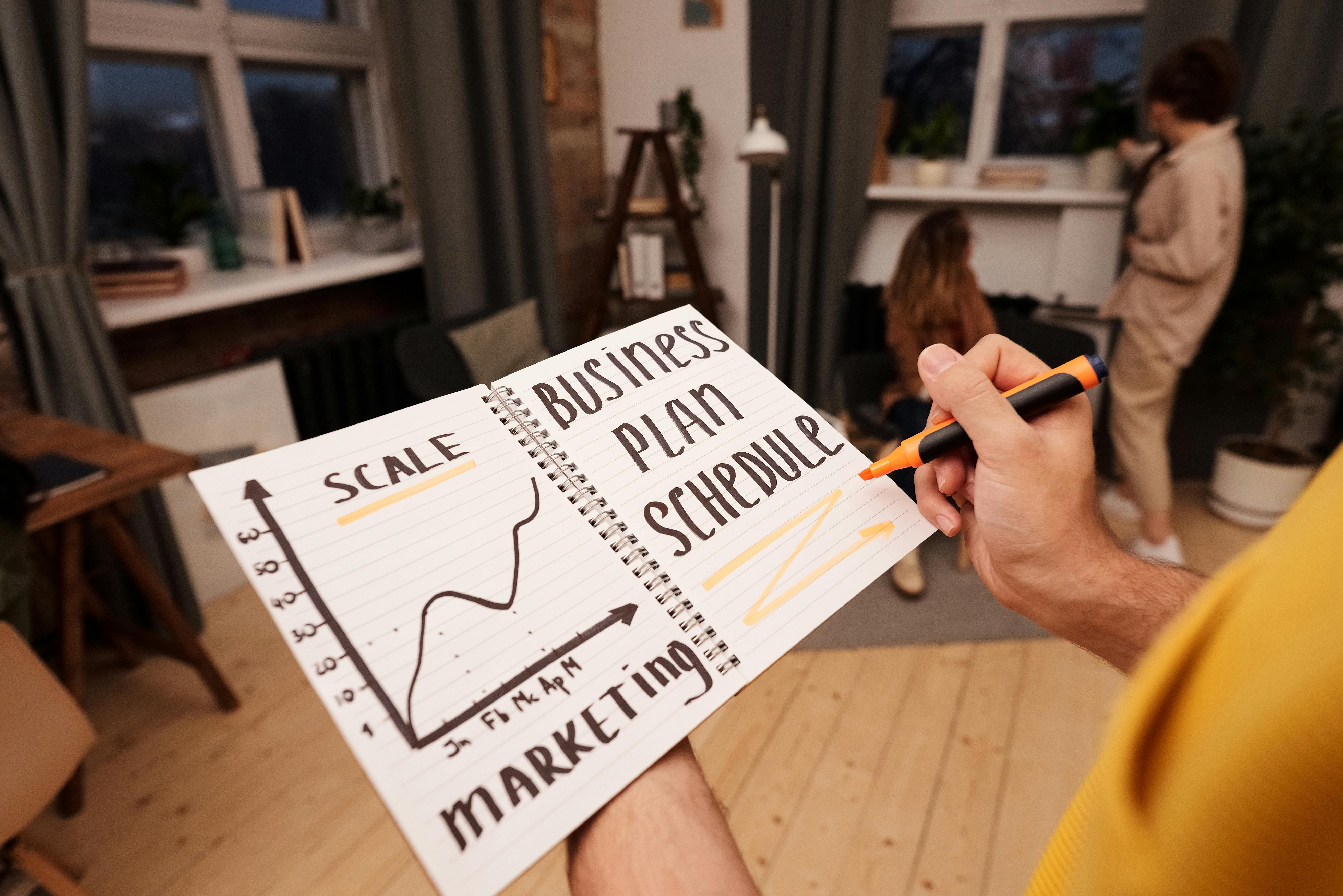
Launching a new venture often brings a mix of excitement and uncertainty, particularly if you haven’t created a formal plan before. This guide breaks down each stage of...
Mar 30, 2026

Building your own online shop for custom stickers or hand-crafted tees no longer requires any coding knowledge. With easy-to-use drag-and-drop tools, you can set up a...
Mar 30, 2026

Choosing eco-friendly ways to promote products shows genuine care for the environment and creates a memorable impression. When brands prove their dedication to...
Mar 30, 2026

Launching a podcast often brings a mix of excitement and nerves, especially when funds are tight. A huge investment isn't necessary to make your first episode stand out....
Mar 30, 2026

Launching a business with limited resources often feels challenging, yet it opens the door to creative problem-solving and smart decision-making. Every dollar counts...
Mar 30, 2026

People can earn income through affiliate marketing without spending much money upfront. Getting started does not demand expensive gear or a massive online presence....
Mar 30, 2026

Memes create instant connections by blending humor, relatable moments, and up-to-date trends. They invite laughter and spark quick online interactions, making it easy...
Mar 30, 2026

Memes quickly grab attention, connect with online communities, and ignite lively conversations. Blending current humor with popular culture references helps create...
Mar 30, 2026

Students often share snapshots of their daily routines, like enjoying a morning coffee from a mug featuring your logo, along with heartfelt captions that highlight their...
Mar 30, 2026

Launching a new venture brings a mix of excitement and uncertainty. Laying down a solid legal foundation before focusing on product development or marketing efforts will...
Mar 30, 2026

Crafting a strong professional identity sets you apart in the freelance world and boosts your self-assurance. Start by identifying the qualities that make your work...
Mar 30, 2026

Building a side project into something larger brings both anticipation and hurdles. You aim to keep up your momentum while making sure routine responsibilities do not...
Mar 30, 2026

Designing an impressive slide deck can be simple and affordable. By focusing on clear communication and making thoughtful visual selections, you can craft a compelling...
Mar 30, 2026