
Creative Guerrilla Marketing Ideas For Unforgettable Student Events
Mar 30, 2026



Planning a memorable event on a tight budget becomes much simpler when you use creative approaches and accessible resources. You can spark interest and excitement without spending a fortune by making the most of what you already have. This guide walks you through each stage of crafting a standout promotion, from the earliest planning to the big launch. It covers practical ways to organize your efforts, highlights affordable channels that get the word out, and shares useful tips for connecting with guests. You will also discover how to measure your success, ensuring every step leaves a strong, positive impression while keeping costs low.
Start by mapping out clear goals. Ask yourself which emotions you want to stir—curiosity, excitement, or a sense of connection? Define key dates, venues, and the number of guests you hope to reach. Use a simple spreadsheet or free tool like Google Sheets to keep these details organized and visible to everyone on your team.
Next, create a timeline that assigns tasks to specific team members. Break the project into chunks: securing space, designing visuals, writing copy, and scheduling posts. Set deadlines that include a cushion for unexpected delays. This focus prevents last-minute chaos and makes the process feel manageable even with limited hands on deck.
Your theme gives the promotion its identity. Choose a concept that speaks to shared interests—music, gaming, eco-friendly living, or community art. Keep it simple, like “Neon Beats” or “Plant Power Mixer.” That clarity helps all visuals and messages align, making your campaign feel cohesive.
Develop a tagline that captures the vibe in just a few words. For instance, “Glow Up Your Night” or “Grow Green Together.” Use that line on graphics, social posts, and email headers. When people see the same phrase everywhere, they start to remember your event. Consistent messaging breeds familiarity, and familiarity builds trust.
Utilize channels that let you stretch every dollar. Use social media, community bulletin boards, and messaging apps. Partner with local interest groups or clubs that share your target crowd. They’ll share the word in their networks at no extra cost.
Organize examples using bullet points:
Each tactic costs almost nothing and puts your event in front of new audiences. Rotate through a few of these methods weekly to keep a steady buzz without spending a fortune.
Maintain high excitement by involving attendees early. Invite them to contribute ideas for the playlist or suggest topics for a short panel. Polls and Q&A stickers on stories can spark interaction without any setup cost.
At the event, set up photo corners or simple selfie props. Ask guests to tag your event handle or use a unique hashtag. This turns attendees into on-site promoters as they share their experiences in real time.
Follow up with a thank-you email or post. Include highlights—photos, quotes, or short clips. Encourage recipients to share feedback, which gives you free insights for next time. When people feel heard and appreciated, they become eager supporters of future gatherings.
Track your results to learn what worked and where to improve. Focus on a few key metrics instead of drowning in data.
Use a numbered list for key metrics and steps:
After collecting these numbers, review what gave the best results. Then adjust your next plan—whether that means shifting ad spend, refining your message, or trying a new free tool. This cycle of measurement and adjustment keeps your promotions effective and affordable.
Local businesses often look for fresh ways to connect with nearby audiences. Offer to feature them in your social posts or display their logo on event materials in exchange for small perks—like free snacks, branded pens, or venue discounts. These deals cost nothing in cash but add real value for attendees.
Reach out with a friendly, concise proposal. Highlight mutual benefits, such as exposure to a specific age group or community segment. When you show how a partnership benefits both sides, people usually respond positively—even when resources are limited.
Use hands-on planning, low-cost promotion, active engagement, and effective follow-up to run memorable events within your budget. These simple steps help you create genuine excitement and successful experiences.
After completing a creative school project in marketing and receiving recognition, you might still hesitate to share your abilities on the internet. With so many people...
Mar 30, 2026

Building a partnership with a brand that aligns with your values and inspires new ideas can open exciting opportunities. When two businesses combine their strengths,...
Mar 30, 2026

Choosing eco-friendly ways to promote products shows genuine care for the environment and creates a memorable impression. When brands prove their dedication to...
Mar 30, 2026

Many people have creative abilities such as drawing, writing, or composing music, and those skills can become sources of income through digital products. Turning your...
Mar 30, 2026

Balancing coursework with a side hustle may seem overwhelming at first, yet careful organization and steady progress make it possible. By following straightforward...
Mar 30, 2026
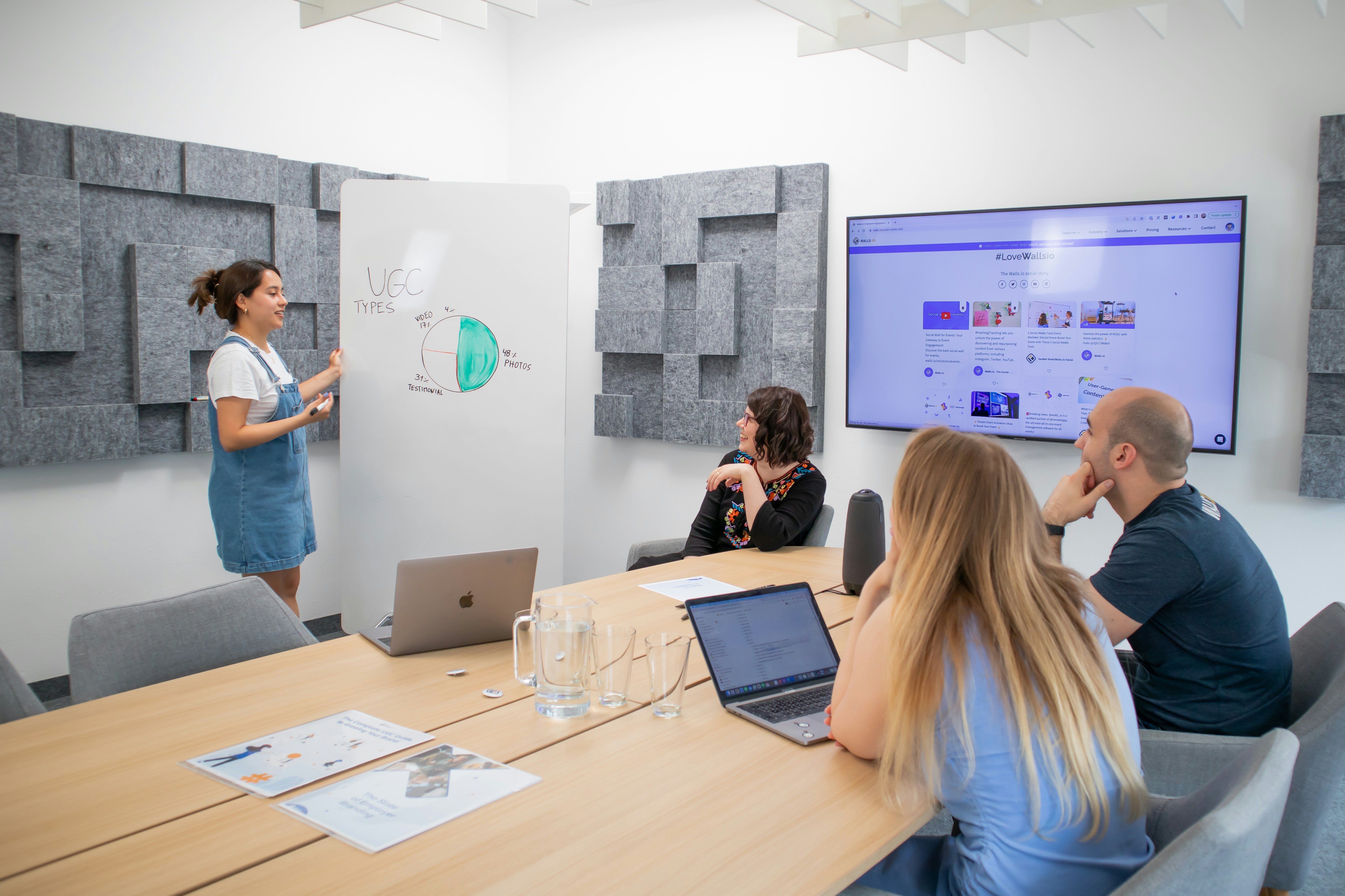
Many community managers notice a lull in activity when members post infrequently or seem hesitant to participate. When contributions dwindle, the energy and sense of...
Mar 30, 2026
Creative sparks can strike at unexpected moments, whether you jot down a concept during lunch or dream up a new approach while commuting. Turning those sudden flashes of...
Mar 30, 2026
Take some time to explore TikTok and observe the way people engage with its unique features. Notice how short videos quickly grab attention, how trending sounds and...
Mar 30, 2026

Balancing a side gig alongside daily responsibilities often means switching between creative tasks and managing finances. You might find yourself designing graphics,...
Mar 30, 2026

Students often share snapshots of their daily routines, like enjoying a morning coffee from a mug featuring your logo, along with heartfelt captions that highlight their...
Mar 30, 2026

Building a memorable identity sets any brand apart from the crowd, yet many stick to what feels safe and predictable. By choosing a fresh approach, you introduce your...
Mar 30, 2026

Launching a creative project often brings excitement along with plenty of questions, especially when it comes to finding the right financial support. A strong...
Mar 30, 2026

Every new company brings a unique story that can spark curiosity and interest online. By sharing real moments and genuine experiences, you create a connection that feels...
Mar 30, 2026

Success in your next campaign begins with choosing the toolkit that fits your needs. Clear metrics, seamless collaboration, and striking visuals become possible when you...
Mar 30, 2026