
How To Build A Personal Brand That Attracts Freelance Clients
Mar 30, 2026



Landing your first remote client often brings a mix of excitement and uncertainty. Many people question where to start, who to approach, and how to make a lasting impression. This guide explains each stage clearly, giving you practical steps you can take immediately. Discover how to highlight your unique skills, connect with clients who match your goals, and close your first deal with assurance. With each section, you’ll gain the tools you need to navigate the remote work landscape and build strong, professional relationships from the start.
Knowing exactly what you offer helps you speak directly to a client’s needs. Focus on skills you use every day and strengths that set you apart. List them clearly so you can refer back when crafting your pitch.
Keep this list visible. When a client asks why they should hire you, you’ll have specific points ready to share. That clarity builds confidence for both you and your prospect.
Finding the right clients requires more than scrolling through random job posts. You need to match your strengths with a client’s projects. Create a simple process to narrow your search.
As you research, note any details that show you completed your homework. Mentioning a recent campaign or product launch in your pitch signals genuine interest. That extra effort can turn a cold message into a warm conversation.
A strong pitch speaks directly to a client’s goals. Begin by briefly introducing yourself and your focus area. Then connect your unique value proposition to a need you identified during research. Keep each sentence purposeful and clear.
Start with a hook, like a small insight or statistic related to their work. Follow with how you’ve solved similar challenges. End by inviting a quick call or offering to draft a free sample. This approach feels less pushy and more helpful, making the client curious to learn more.
You set the tone for respect and mutual benefit when you discuss money. Begin by sharing a range rather than a single figure. Explain factors that influence your price, such as project complexity, turnaround time and research depth. This transparency shows you value fairness.
Be prepared to explain why you charge what you do. Link each fee component to a direct benefit: “This research phase ensures we target high-conversion audiences.” When a client sees clear value, they feel confident paying your rate. If they push back, ask which part concerns them most. That allows you to adjust scope instead of slashing fees.
A simple contract protects both you and your client. Use a template in Google Docs or another trusted platform. Include project milestones, payment schedules and what happens if either party needs to end the deal early. A concise agreement builds trust and keeps expectations aligned.
Ask the client to review each section and share any concerns. This collaborative approach shows you care about fairness. Once both sides sign, store a digital copy and email it to everyone involved. Having written terms prevents confusion and allows you to focus on the work itself.
Meeting deadlines and exceeding standards helps clients return. Break your tasks into daily or weekly goals and share brief updates. Even a quick message can reassure a client that progress is on track. Consistent checkpoints reduce surprises and highlight your reliability.
Invite feedback after each milestone. This two-way conversation uncovers hidden expectations and gives you a chance to adjust before final delivery. When clients see you welcome their input, they feel part of the process. That shared ownership turns one-time projects into long-term relationships.
Follow these steps to move from uncertainty to action and reach your first payment. Take one step today, track your progress, and build confidence along the way.

Creating a solid online presence begins with a straightforward approach and a commitment to what makes your work unique. By focusing on your strengths and maintaining a...
Mar 30, 2026

Running a business from your laptop allows you to set your own schedule and maintain complete control over every aspect of your work. You can achieve steady and...
Mar 30, 2026

Juggling demanding coursework while launching your own project often brings a sense of chaos as deadlines and responsibilities pile up. Exams, research assignments,...
Mar 30, 2026

Building solid organization skills makes it easier to handle projects and daily responsibilities with confidence. Sorting notes, planning out your week, and monitoring...
Mar 30, 2026

After completing a creative school project in marketing and receiving recognition, you might still hesitate to share your abilities on the internet. With so many people...
Mar 30, 2026

Juggling remote work, academic courses, and personal projects requires careful organization and determination. Begin by listing every commitment you face this semester,...
Mar 30, 2026

Planning a memorable event on a tight budget becomes much simpler when you use creative approaches and accessible resources. You can spark interest and excitement...
Mar 30, 2026

Balancing academic responsibilities with building a new business calls for organized routines and consistent attention. With a thoughtful approach, you can create a...
Mar 30, 2026

Strong relationships with other emerging labels often lead to exciting collaborations that introduce your brand to wider audiences and inspire original concepts....
Mar 30, 2026
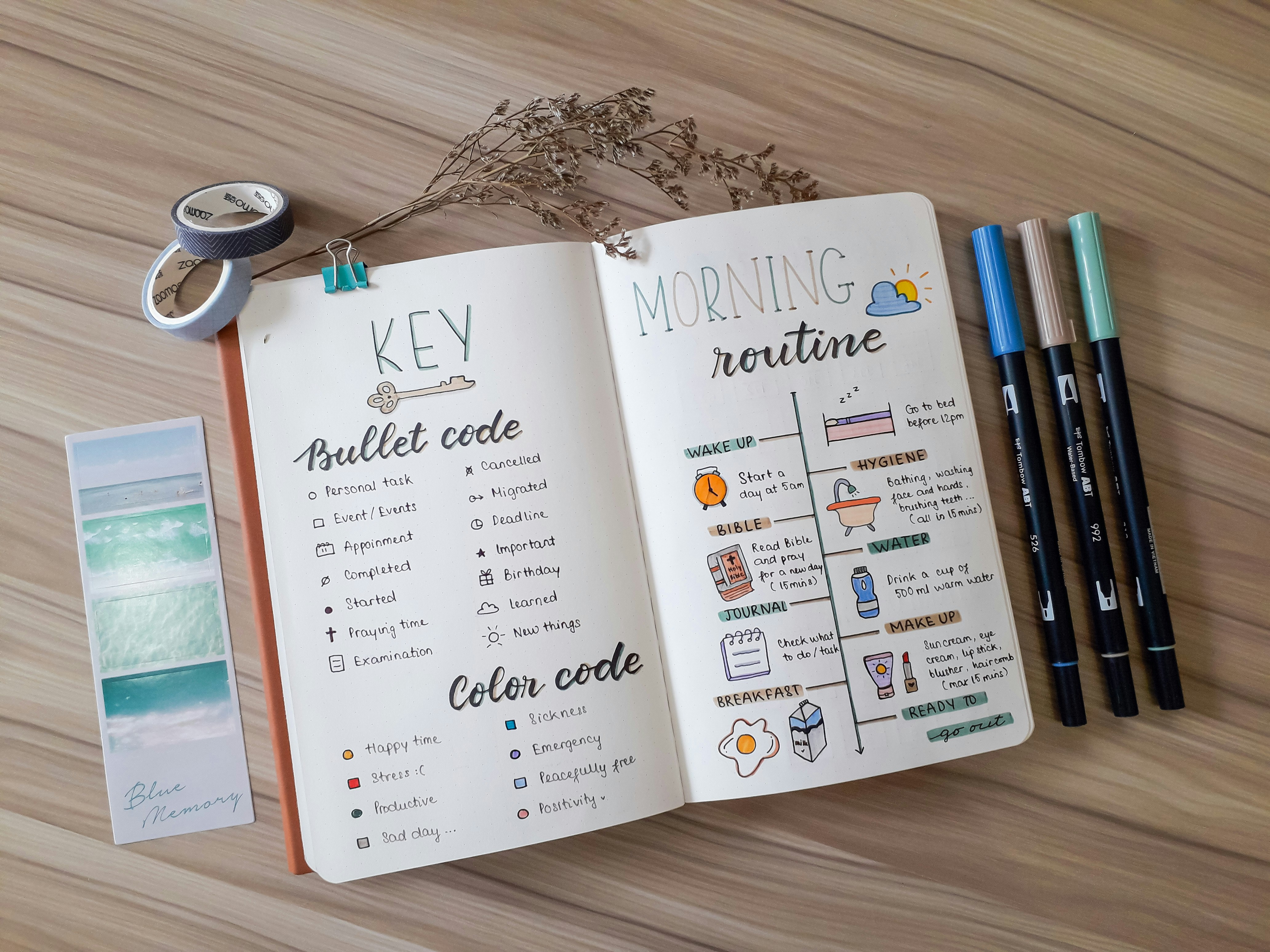
Balancing coursework, homework, and time with friends often feels overwhelming. Using a notebook can help you organize your responsibilities and break down tasks into...
Mar 30, 2026

Building a side project into something larger brings both anticipation and hurdles. You aim to keep up your momentum while making sure routine responsibilities do not...
Mar 30, 2026

Balancing coursework, part-time jobs, and personal projects often means daily routines become overwhelming and important goals can slip through the cracks. Setting up...
Mar 30, 2026

Creating a standout collection of branded clips on social platforms helps you capture attention and make a lasting impression. Many people wonder how to begin, but...
Mar 30, 2026

Most people face days when their to-do list feels endless and keeping up with everything seems impossible. Balancing coursework, job shifts, social commitments, and...
Mar 30, 2026