
Discover Productivity Chrome Extensions That Maximize Efficiency
Mar 30, 2026



Building solid organization skills makes it easier to handle projects and daily responsibilities with confidence. Sorting notes, planning out your week, and monitoring your progress help you stay on top of your workload and reduce stress. You arrive at client meetings prepared with clear talking points, and you wrap up projects smoothly without scrambling at the last minute. Small daily practices, such as keeping your workspace tidy or using checklists, add up over time and lead to noticeable improvements. By making organization a regular part of your routine, you create space for better focus and a greater sense of accomplishment each day.
This guide will walk you through key methods, tools, and hands-on exercises to sharpen your organizational edge. You’ll find practical moves you can adopt right away, whether you’re balancing side gigs or coordinating with a small team. Keep reading to discover how simple adjustments can boost your confidence and impact.
Sorting tasks into clear categories helps you decide what to tackle first. Start by listing everything you need to do, from client calls to brainstorming ideas. Group related items together, like “marketing” or “admin.” That way, you avoid switching mental gears too often.
Next, assign deadlines that match each task’s importance and effort. A small social media update might take an hour, while preparing a pitch deck could span days. Be realistic about how much time you need and add extra minutes for unexpected turns.
Effective time management allows you to do your best work. When you break your day into dedicated blocks, you focus on one thing at a time and reduce stress. Set clear time windows for specific tasks instead of jumping between chores.
Use this numbered list to structure your schedule:
Following these steps helps you create a clear roadmap that guides you through high-priority work. Checking off three big tasks before lunchtime gives you extra energy and confidence for smaller duties later.
Technology can simplify how you track tasks and communicate with teammates. Choosing the right app reduces clutter and keeps your focus on work that matters. Here are some top picks:
Try syncing one or two of these tools with your phone and computer. Keeping your tasks in one place helps you avoid forgetting deadlines or losing track of ideas. When you review a single dashboard, you see all upcoming work at a glance.
Making new habits part of your routine can feel challenging at first. Focus on one habit each week, like planning your next day before you log off. Keep a simple tracker on paper or in an app so you can mark each day you follow through.
Consistency beats perfection. If you aim to plan every evening but miss one day, don’t give up. Note why it slipped—maybe you worked late—and adjust your strategy. Over time, these small habits become automatic, and you’ll hardly notice the effort you put in.
Feeling overwhelmed by a long task list is normal. When your list gets too big, decide which tasks you can delete or delegate. If a task won’t move your projects forward, consider dropping it entirely or asking a teammate for help.
Another common hurdle is distractions. Social media, chat notifications, and emails can derail your focus. Set boundaries by muting non-essential alerts during work blocks. You might also create a “distraction list” where you jot down off-topic thoughts and return to them later.
Exercises help you test and improve your habits in real situations. Start with a “One-Day Sprint.” At the start of your workday, choose a single project and map out every step needed to finish it. Break those steps into brief tasks and assign each to a one-hour slot. At the end of the day, review which tasks you completed and note where you got stuck.
Your next exercise is a weekly review session. Spend 15 minutes every Friday afternoon reviewing completed tasks, outstanding items, and upcoming priorities. Celebrate your successes and identify one area for improvement. Use this insight to plan your schedule for the next week.
Strong organization skills improve decision-making and project management. Use clear time blocks, reliable tools, and consistent habits to work more confidently and achieve your goals efficiently.

Many students face a wave of stress as exams approach, yet thoughtful organization and steady routines turn this busy period into an achievable goal. Laying out a...
Mar 30, 2026

Balancing academic responsibilities with building a new business calls for organized routines and consistent attention. With a thoughtful approach, you can create a...
Mar 30, 2026
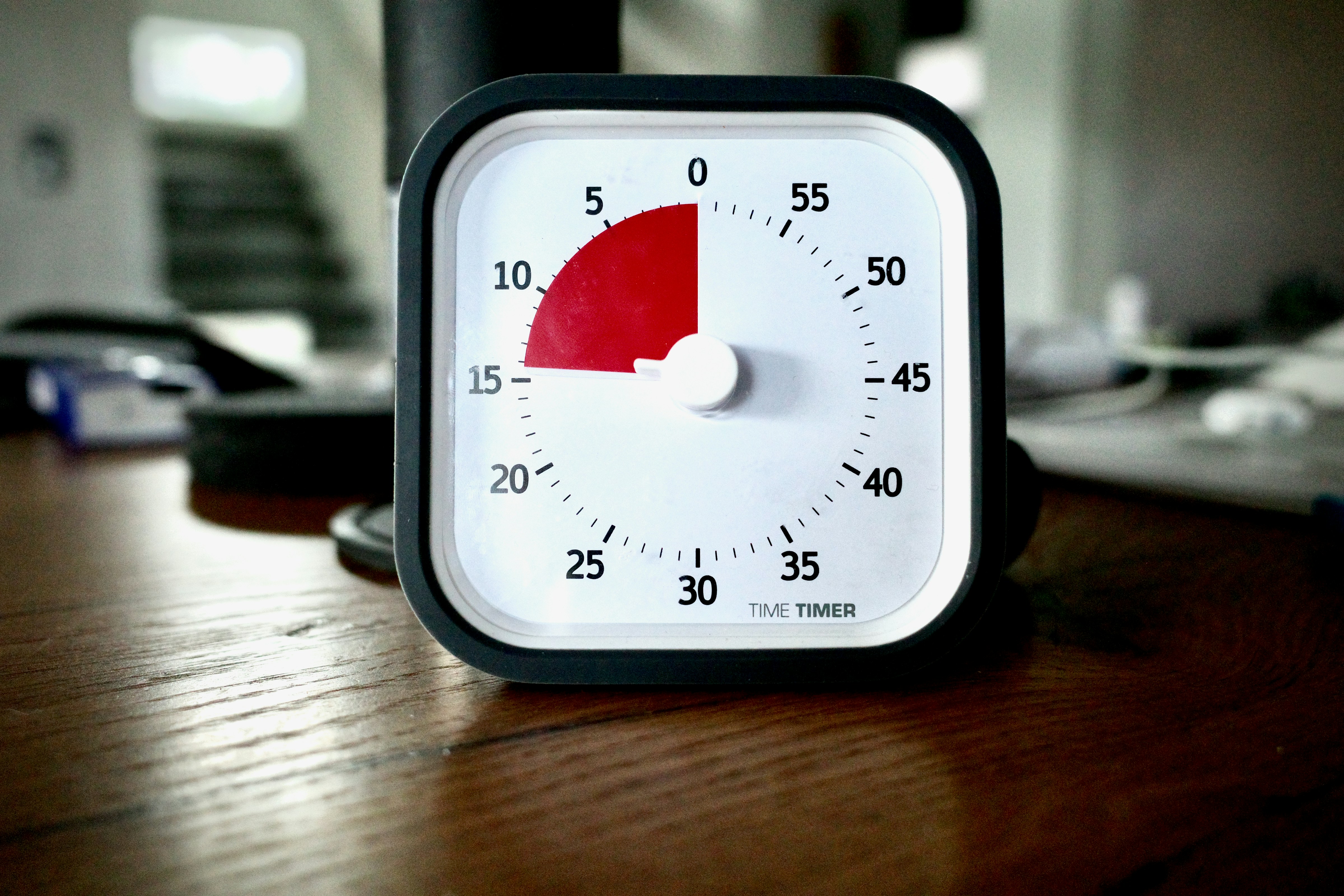
Creating a focused study routine begins with a well-organized plan and reliable resources. Setting aside short, dedicated periods for work helps you concentrate deeply,...
Mar 30, 2026

Juggling remote work, academic courses, and personal projects requires careful organization and determination. Begin by listing every commitment you face this semester,...
Mar 30, 2026

Great accomplishments often begin with a simple idea, yet bringing that idea to life calls for careful planning and consistent follow-through. Keeping each stage...
Mar 30, 2026

Managing schoolwork alongside a passion project often feels overwhelming, especially when deadlines and ideas start piling up. Reliable tools can help bring structure...
Mar 30, 2026

Juggling demanding coursework while launching your own project often brings a sense of chaos as deadlines and responsibilities pile up. Exams, research assignments,...
Mar 30, 2026

Clear goals lay the groundwork for guiding your career toward meaningful achievements. By pinpointing your priorities, you build the confidence to move purposefully from...
Mar 30, 2026

Completing an entire month’s collection of social posts, blog drafts, and graphics within just a few dedicated days brings a deep sense of accomplishment. Checking every...
Mar 30, 2026

Small startups often face the challenge of handling multiple responsibilities at the same time. Founders might find themselves stretched thin as they balance daily tasks...
Mar 30, 2026

Grouping similar tasks together and dedicating specific blocks of time to them helps simplify your workflow and make room for fresh ideas. By focusing on one category of...
Mar 30, 2026

Facing a tight deadline often creates a sense of pressure when you notice the amount of unfinished work on your plate. Distractions like scrolling through social media...
Mar 30, 2026

Preparing for final exams with only a short window can seem daunting, yet thoughtful organization and purposeful steps allow you to use your time well. Begin by listing...
Mar 30, 2026

Creative sparks can strike at unexpected moments, whether you jot down a concept during lunch or dream up a new approach while commuting. Turning those sudden flashes of...
Mar 30, 2026