
6 Time Management Strategies That Actually Work During Exam Season
Mar 30, 2026



Juggling remote work, academic courses, and personal projects requires careful organization and determination. Begin by listing every commitment you face this semester, including your class schedule, work hours, and any important projects. When you lay out each responsibility, you gain a realistic view of what your time looks like. This overview helps you avoid surprises and makes it easier to allocate your energy where it counts. With everything in front of you, map out a weekly routine that reflects your workload while leaving space for breaks and downtime. A thoughtful plan brings order and helps you stay focused as the semester unfolds.
List out every activity you handle each week. Categorize them under classes, work hours, and projects. That way, you spot overloads before they become crises.
Once you have the raw list, assign each item a level of priority. Rank tasks from must-do (like exams and paid shifts) to optional (like passion projects that can pause if needed). This ranking framework helps you decide what to tackle when unexpected events pop up.
Time-blocking sets specific hours for each activity. It reduces decision fatigue and curbs the urge to multitask. Follow these steps to set up your schedule:
Keep this calendar visible—print it or pin it on your wall. Tracking your blocks visually constantly reminds you how you’re using each hour. It also encourages you to adjust if you see an unbalanced week.
Digital tools can make your workflow more efficient and send reminders when deadlines approach. Pick platforms that sync across devices so you never miss an update on your phone or laptop.
Set alerts for upcoming deadlines, especially for overlapping commitments. A quick ping five minutes before a meeting helps you wrap up what you're doing and switch focus. Protect your notifications—mute apps that distract you during deep work periods.
Protect your energy by defining when work stops and personal time begins. Clear cutoffs prevent fatigue and sharpen your focus during each block. Use one of these tactics to maintain your limits:
Self-care isn’t a luxury—it fuels your productivity. Schedule short stretches of movement, hydration breaks, and healthy meals within your calendar blocks. When you feel worn out, swap one project block for gentle exercise or a quick walk. Treat these swaps as deliberate parts of your plan rather than guilty detours.
Motivation naturally fluctuates. Celebrate small wins and record them to keep your spirits high. Checking off completed chapters, landing a freelance gig, or wrapping up a group presentation all count as progress. Keeping a simple log of your achievements boosts your energy whenever your motivation dips.
Reward yourself for reaching milestones. Enjoy a favorite snack, play a short game, or call a friend. These small celebrations reinforce good habits and remind you why you handle multiple roles. If you miss a block or fall short on a goal, treat it as useful information, not failure. Think about what blocked you and adjust your plan for next week.
By maintaining clear commitments, using effective tools, and setting boundaries, you can manage remote work, classes, and activities without stress. Continuously improve your routine and prioritize your well-being to achieve daily balance.

Balancing coursework with a side hustle may seem overwhelming at first, yet careful organization and steady progress make it possible. By following straightforward...
Mar 30, 2026
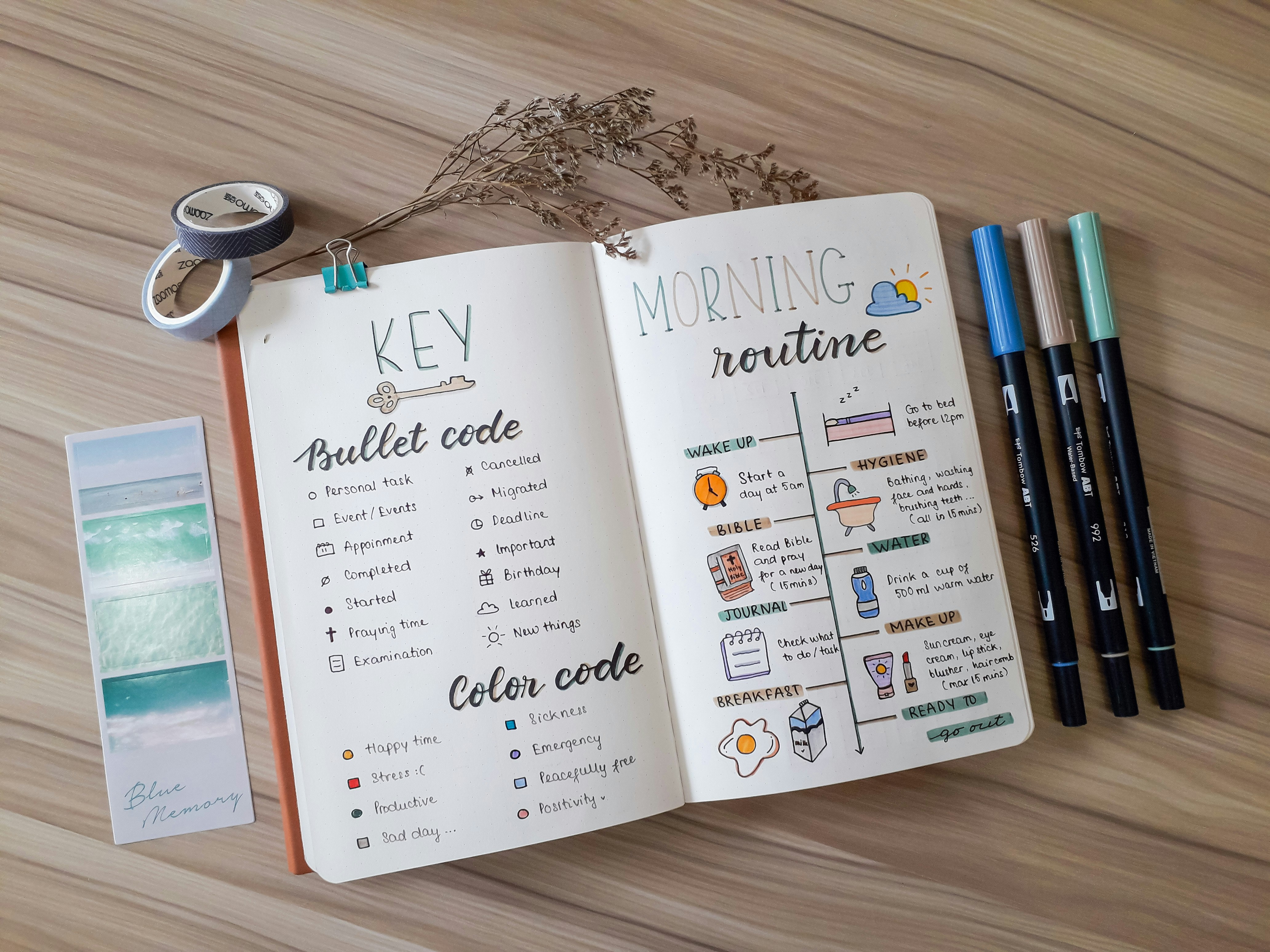
Balancing coursework, homework, and time with friends often feels overwhelming. Using a notebook can help you organize your responsibilities and break down tasks into...
Mar 30, 2026

Grouping similar tasks into specific time blocks encourages deep focus and helps ideas develop naturally without frequent interruptions. Writing multiple blog posts...
Mar 30, 2026

Juggling demanding coursework while launching your own project often brings a sense of chaos as deadlines and responsibilities pile up. Exams, research assignments,...
Mar 30, 2026

Creating a focused study routine begins with a well-organized plan and reliable resources. Setting aside short, dedicated periods for work helps you concentrate deeply,...
Mar 30, 2026

Preparing for final exams with only a short window can seem daunting, yet thoughtful organization and purposeful steps allow you to use your time well. Begin by listing...
Mar 30, 2026

Facing a tight deadline often creates a sense of pressure when you notice the amount of unfinished work on your plate. Distractions like scrolling through social media...
Mar 30, 2026

Building better habits and advancing at work often seems overwhelming, but connecting reliable techniques to your everyday actions can make a significant difference....
Mar 30, 2026

Exploring gig platforms introduces a range of possibilities for flexible work, but it can also raise questions about getting started and finding dependable...
Mar 30, 2026

Grouping similar tasks together and dedicating specific blocks of time to them helps simplify your workflow and make room for fresh ideas. By focusing on one category of...
Mar 30, 2026

Clear goals lay the groundwork for guiding your career toward meaningful achievements. By pinpointing your priorities, you build the confidence to move purposefully from...
Mar 30, 2026

Building a side project into something larger brings both anticipation and hurdles. You aim to keep up your momentum while making sure routine responsibilities do not...
Mar 30, 2026

Managing schoolwork alongside a passion project often feels overwhelming, especially when deadlines and ideas start piling up. Reliable tools can help bring structure...
Mar 30, 2026

Building solid organization skills makes it easier to handle projects and daily responsibilities with confidence. Sorting notes, planning out your week, and monitoring...
Mar 30, 2026