
Batch Working Techniques That Boost Productivity for Creators
Mar 30, 2026



Grouping similar tasks together and dedicating specific blocks of time to them helps simplify your workflow and make room for fresh ideas. By focusing on one category of work at a time, you reduce distractions and give your brain the chance to fully engage with the task at hand. Instead of switching back and forth between different types of activities, you allow yourself to settle into a productive rhythm. This approach can ease mental overload, making it easier to dive deeper into creative thinking and accomplish more with less stress. Batch working allows you to make the most of your concentration and energy.
You might notice that juggling emails, writing captions, and designing images in separate windows leaves you feeling scattered. By grouping those activities, you ride a wave of concentration without the drag of constant context switching. This approach feels straightforward, yet it can significantly boost your output and spark new ideas.
Batch working breaks down a busy day into clear segments devoted to specific goals. You might start the morning by answering messages, switch to brainstorming for a personal project after lunch, then dive into edits or research later on. Each segment or batch centers on related tasks, so your brain doesn’t waste energy adjusting to wildly different activities.
When you lock in a batch, you cut down the number of times you distract yourself. Opening and closing apps, reading and writing in different formats, or shifting between analytical and creative mindsets all slow you down. Batch working keeps your focus steady and strengthens the connection between your intention and each action you take.
Grouping similar tasks helps you reach a deeper flow state. Flow occurs when your skills match the challenge, and you lose track of time in the best way. Batch working promotes that seamless energy because your mind switches into one mode instead of stalling at every switch.
You also reclaim hours of wasted time. Studies show people lose up to 23 minutes after each interruption. Those interruptions add up to real headaches. Batching reduces those distractions by giving you clear work windows and scheduled breaks.
Begin by listing every recurring task. Include study sessions, social media updates, reading, or creative writing in your inventory. Aim for clarity: when do you need to respond to messages? Which morning or evening slots work best for drafting ideas?
Next, assign each task a batch time slot. Choose time windows that match your energy levels. If you feel most alert before noon, schedule brainstorming or heavy writing then. Use quieter periods for quick replies or light editing. Protect those slots by turning off notifications and informing friends or family that you’ll be offline.
Some people worry that batching makes work feel rigid or boring. You can break that monotony with short breaks or by rotating tasks across days. For example, if you group photo edits with caption writing this Tuesday, switch to research and outlining next week. The variety jumps between skill sets while still keeping similar functions together.
Another challenge appears when emergencies happen. Treat urgent issues as special batches. Set aside a small window to scan for true emergencies, then close that batch once you confirm nothing critical remains. You’ll avoid endless checks while still responding when it truly matters.
These exercises give you hands-on experience assembling batches and feeling the difference. You’ll adjust the length and content of each batch to match your pace and projects.
After a week, observe any changes in how you start tasks, handle interruptions, and finish batches. Adjust your plan based on which parts felt most natural or challenging. You may find that shorter batches keep you sharper, or that longer blocks boost your rewards.
Batch working places you in control of your day. It creates space for deeper thinking and sends clear signals to your brain: focus now, rest later.
Follow these steps to improve your focus and ensure your ideas flow more smoothly by concentrating on one theme at a time.

Balancing academic responsibilities with building a new business calls for organized routines and consistent attention. With a thoughtful approach, you can create a...
Mar 30, 2026

Many people notice their minds become clearer and more creative when the world slows in the evening. Working or studying late at night can offer a rare sense of focus...
Mar 30, 2026

Creating a peaceful spot for work or study in a cramped area often seems challenging, especially when interruptions are everywhere. Even in a crowded apartment, you can...
Mar 30, 2026

Preparing for final exams with only a short window can seem daunting, yet thoughtful organization and purposeful steps allow you to use your time well. Begin by listing...
Mar 30, 2026

Building solid organization skills makes it easier to handle projects and daily responsibilities with confidence. Sorting notes, planning out your week, and monitoring...
Mar 30, 2026

Building a side project into something larger brings both anticipation and hurdles. You aim to keep up your momentum while making sure routine responsibilities do not...
Mar 30, 2026

Juggling remote work, academic courses, and personal projects requires careful organization and determination. Begin by listing every commitment you face this semester,...
Mar 30, 2026

Creative sparks can strike at unexpected moments, whether you jot down a concept during lunch or dream up a new approach while commuting. Turning those sudden flashes of...
Mar 30, 2026

Many students face a wave of stress as exams approach, yet thoughtful organization and steady routines turn this busy period into an achievable goal. Laying out a...
Mar 30, 2026

Juggling demanding coursework while launching your own project often brings a sense of chaos as deadlines and responsibilities pile up. Exams, research assignments,...
Mar 30, 2026

Clear goals lay the groundwork for guiding your career toward meaningful achievements. By pinpointing your priorities, you build the confidence to move purposefully from...
Mar 30, 2026

Designing a workspace that feels natural and encourages new ideas helps set the stage for creativity. An orderly environment supports clear thinking and prevents...
Mar 30, 2026

Bringing energy to college corridors, cafeterias, and common areas can turn these everyday spaces into exciting centers of activity where event planning becomes playful...
Mar 30, 2026
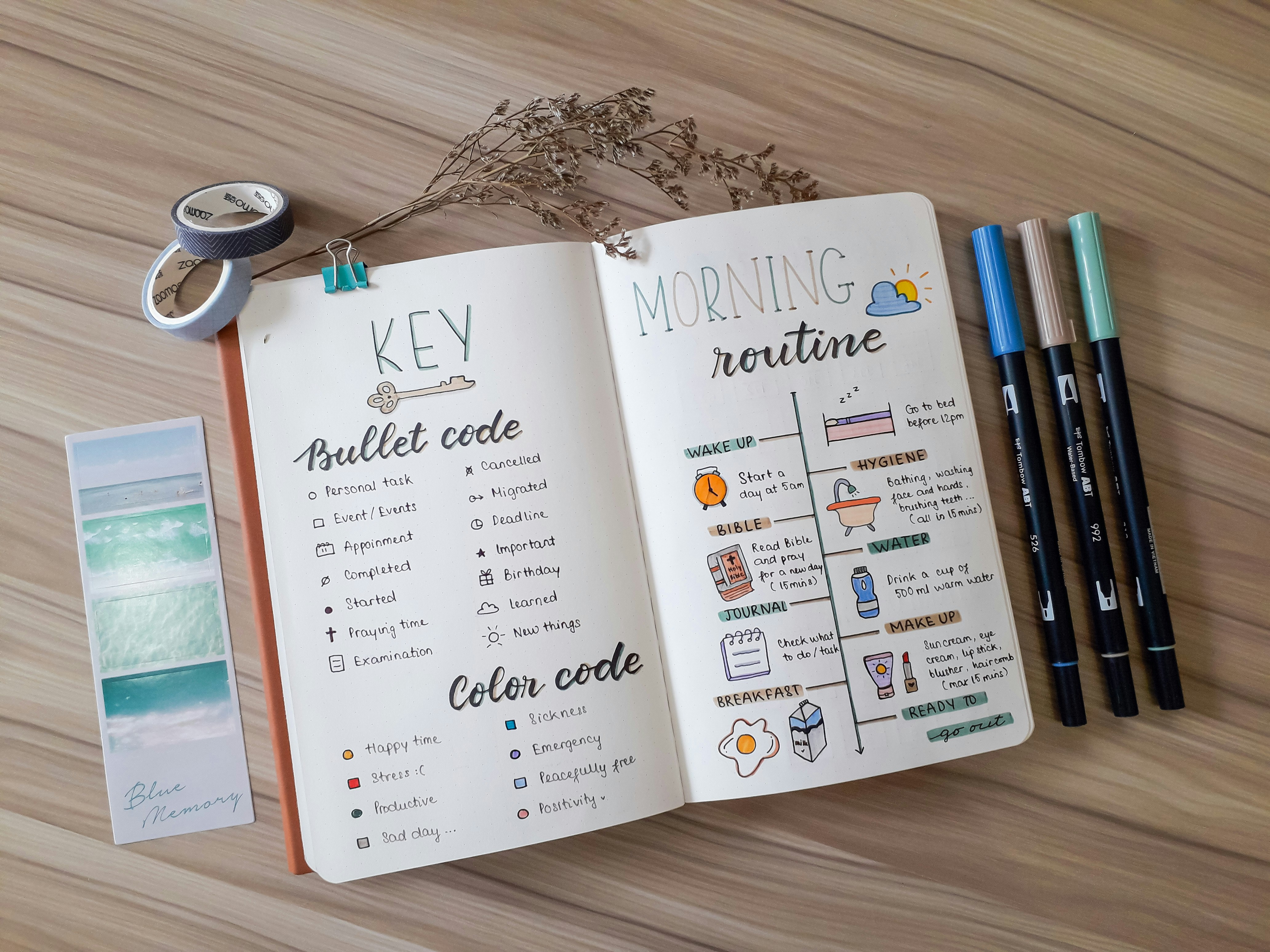
Balancing coursework, homework, and time with friends often feels overwhelming. Using a notebook can help you organize your responsibilities and break down tasks into...
Mar 30, 2026