Adopt Batch Working Strategies To Boost Creative Output
Mar 30, 2026



Many people notice their minds become clearer and more creative when the world slows in the evening. Working or studying late at night can offer a rare sense of focus that daytime hours sometimes lack. Still, staying productive during these quiet hours often brings its own set of obstacles, such as feeling tired or being tempted by distractions. With the right approach, you can overcome these hurdles and turn nighttime into your most effective period for getting things done. This guide shares useful advice and real-life examples to support your efforts and help you harness the power of late-night productivity.
The secret lies in fine-tuning your environment and habits so that your peak hours deliver results rather than fatigue. You’ll learn how to set up a workspace that keeps you alert, craft a routine that fuels your drive, harness digital tools effectively, and tackle obstacles that often arise in the wee hours.
Your body’s internal clock, known as the circadian rhythm, doesn’t have to control when you can think clearly. Some people naturally feel more energetic at night, finding fewer interruptions and a sense of calm that daytime schedules rarely allow. Recognizing your personal energy peaks allows you to schedule demanding tasks when you feel most alert.
Research shows that mental performance can stay high during late hours if you manage light exposure and rest periods. For instance, students studying arts fields often reserve nights for brainstorming and creative writing after daytime classes. By reviewing their own performance logs, they find that drafting essays at 10pm produces more original ideas than writing early in the morning.
Creating a dedicated area signals to your brain that it’s time to focus. Even if you work from a small corner of a bedroom, small changes make a big difference. Aim to separate relaxation spots from work zones to maintain mental clarity.
Keep essentials within arm’s reach. A clutter-free desk reduces decision fatigue, so only display items you need for your current project.
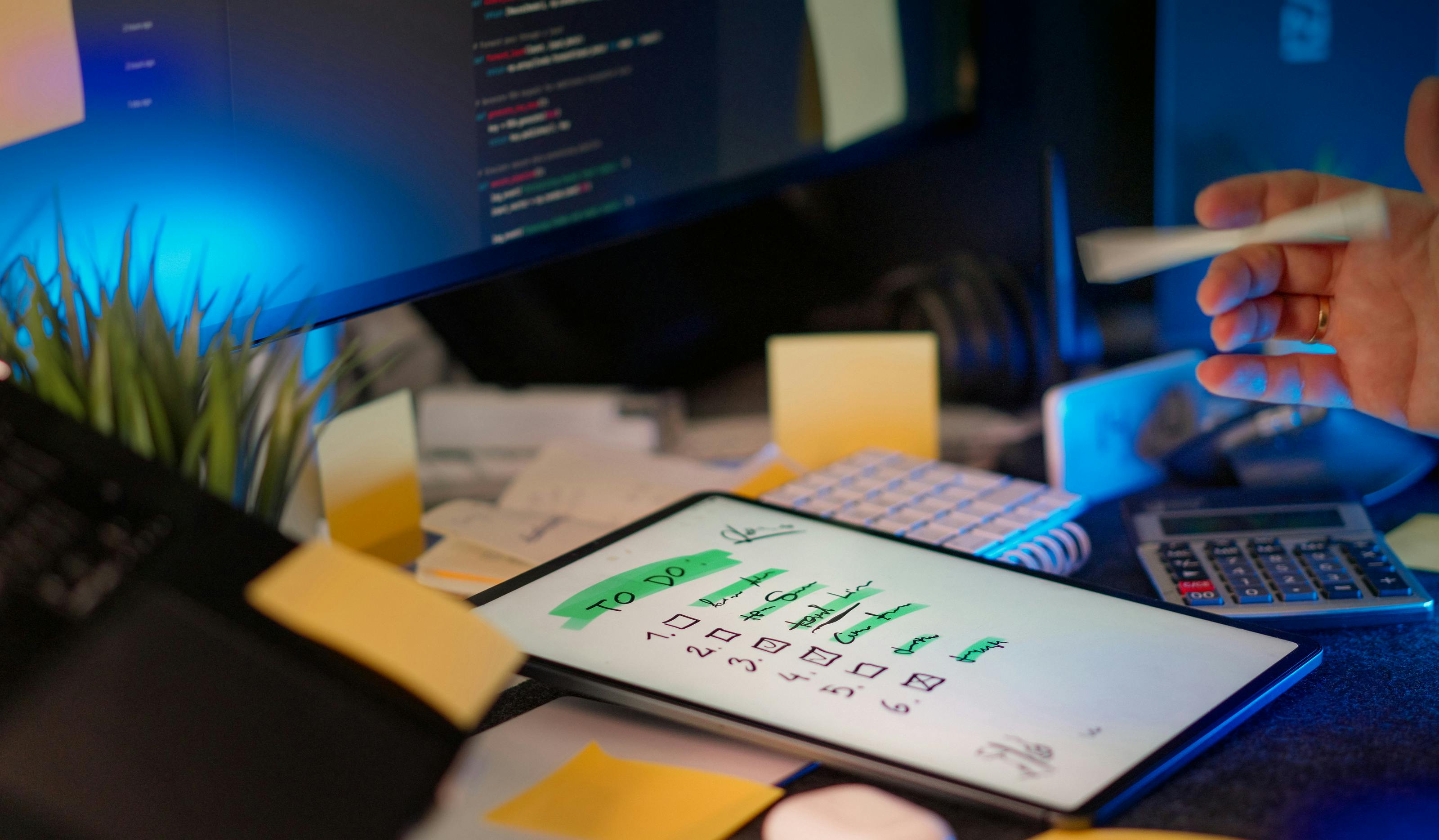
Jumping into deep work without preparation often leads to burnout. A predictable sequence of actions trains your mind to switch into focus mode. Start with a brief warm-up activity, like five minutes of stretching or reviewing your to-do list out loud.
Divide your time into manageable intervals. For example, work for 50 minutes and then rest for 10, using a simple timer app. This technique helps you stay motivated while also preventing mental fatigue.
Include short breaks that refresh rather than distract. Instead of aimlessly scrolling social media, step outside for fresh air or drink a glass of water. These small resets boost energy without extending your break time beyond plan.
Wind down at the end of your session with a two-minute reflection. Write down what you accomplished and set a clear start time for your next late-night session. That way, you’ll wake up or return later with a clear plan.
These tools require minimal setup and fit smoothly into your workflow. They act as silent partners, holding you accountable even when your motivation dips.
If you feel sleepy at midnight, replace heavy snacks with light protein sources like hummus and veggies. Heavy meals can slow you down, while healthier options sustain mental agility. Some people swear by a handful of almonds or Greek yogurt to stop drowsiness without causing blood sugar spikes.
When distractions occur—whether it’s a loud neighbor or a persistent phone notification—recognize the urge and gently redirect your focus. A quick breathing exercise or a 30-second stretch helps reset your attention. You’ve trained your mind to respond to interruptions without abandoning your workflow.
Procrastination often appears during late hours when your energy wanes. Fight it by tackling a small, manageable task first. Completing that tiny chore often creates a domino effect, making larger assignments feel less overwhelming.
If loneliness or boredom sets in, invite a fellow night worker for a quick check-in call. Even a five-minute chat about progress can restore motivation and remind you that others share your schedule.
Adjust your environment, habits, and tools to make late-night hours more productive. Implement these methods to achieve better results during your night sessions.

Creating a peaceful spot for work or study in a cramped area often seems challenging, especially when interruptions are everywhere. Even in a crowded apartment, you can...
Mar 30, 2026

Managing schoolwork alongside a passion project often feels overwhelming, especially when deadlines and ideas start piling up. Reliable tools can help bring structure...
Mar 30, 2026

Balancing academic responsibilities with building a new business calls for organized routines and consistent attention. With a thoughtful approach, you can create a...
Mar 30, 2026

Juggling remote work, academic courses, and personal projects requires careful organization and determination. Begin by listing every commitment you face this semester,...
Mar 30, 2026

Creating routines that last often starts by keeping track of everyday actions until they feel automatic. Habit tracking makes it easier to see your progress, keep your...
Mar 30, 2026
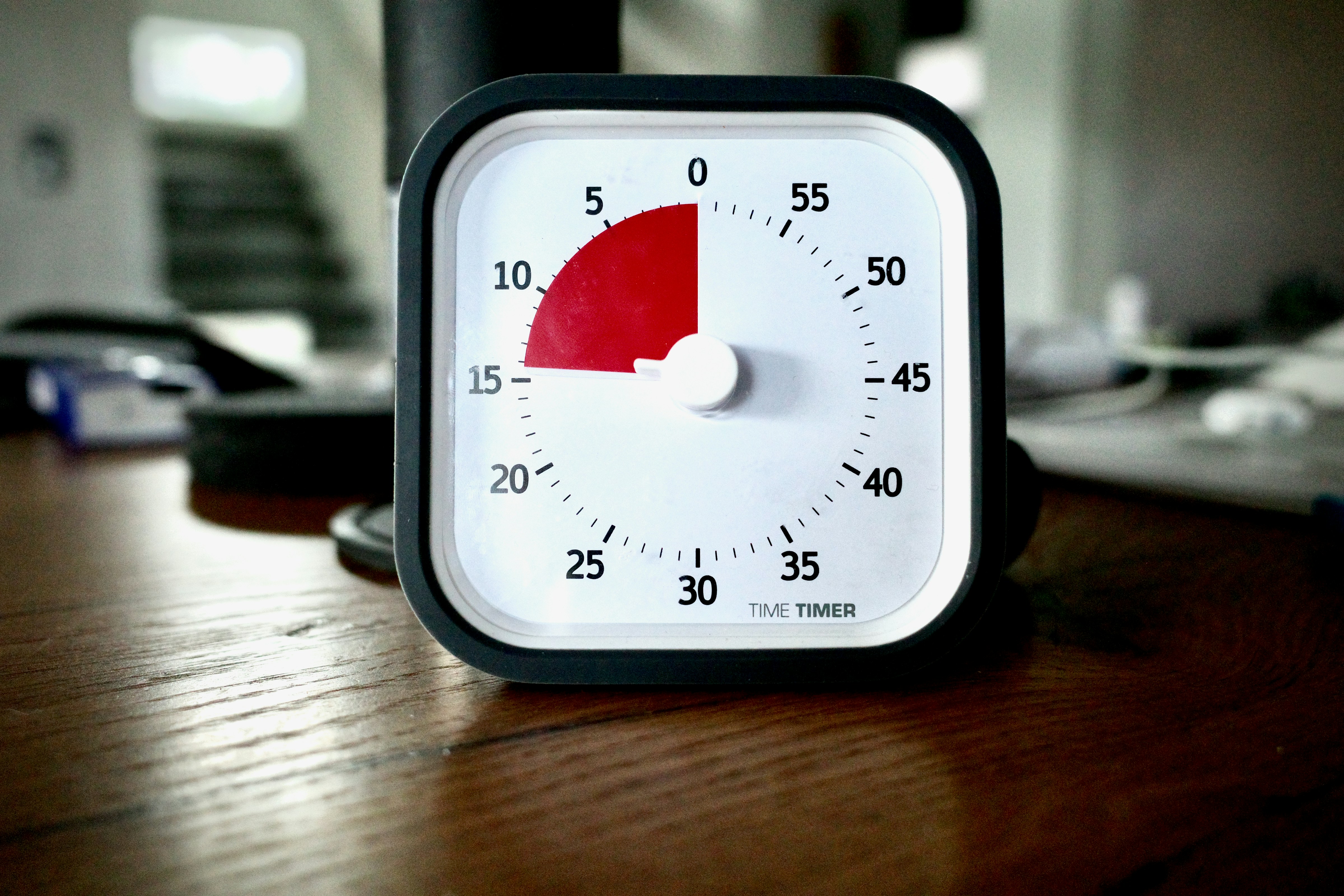
Creating a focused study routine begins with a well-organized plan and reliable resources. Setting aside short, dedicated periods for work helps you concentrate deeply,...
Mar 30, 2026
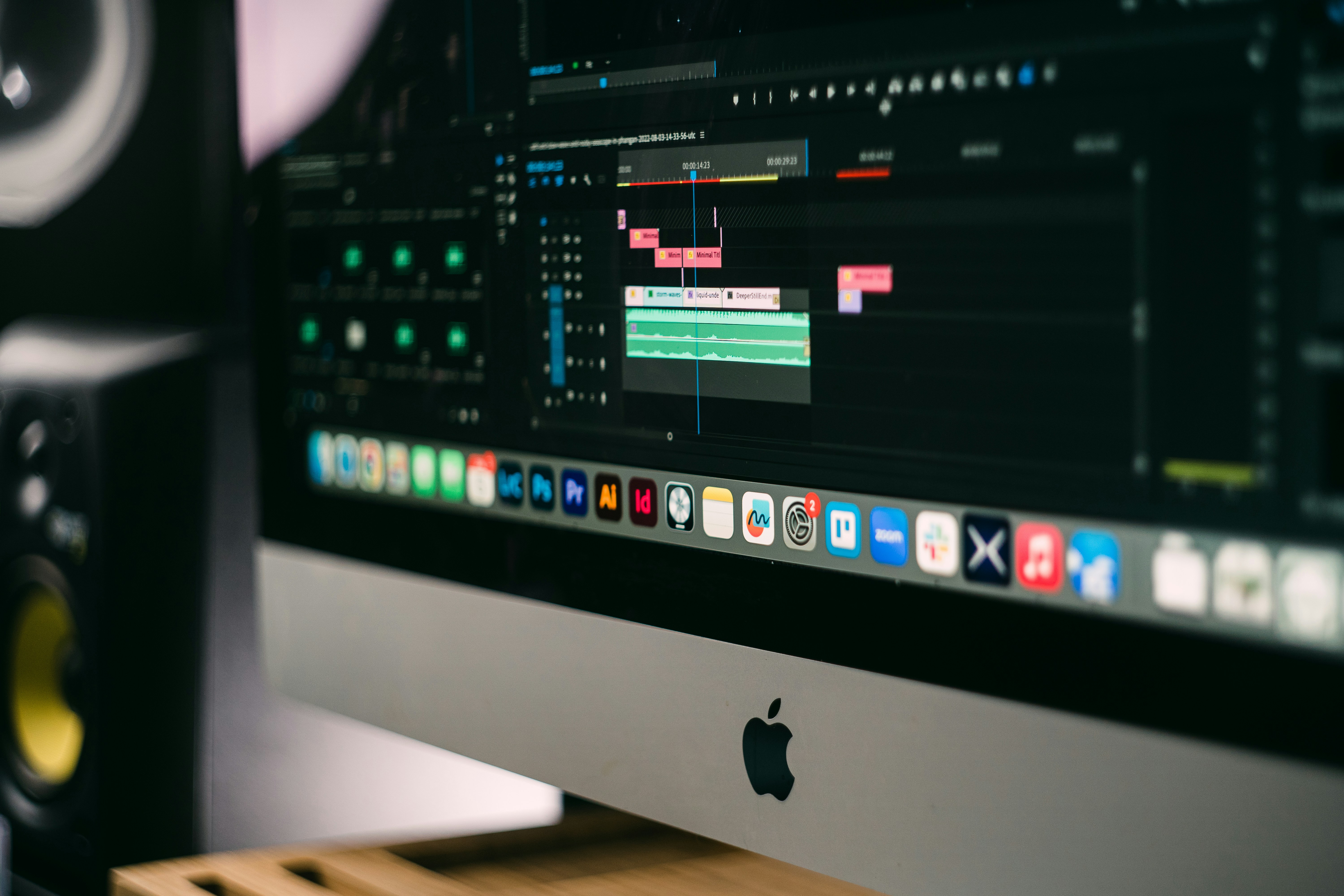
Completing an entire month’s collection of social posts, blog drafts, and graphics within just a few dedicated days brings a deep sense of accomplishment. Checking every...
Mar 30, 2026

Facing a tight deadline often creates a sense of pressure when you notice the amount of unfinished work on your plate. Distractions like scrolling through social media...
Mar 30, 2026

Balancing coursework, part-time jobs, and personal projects often means daily routines become overwhelming and important goals can slip through the cracks. Setting up...
Mar 30, 2026
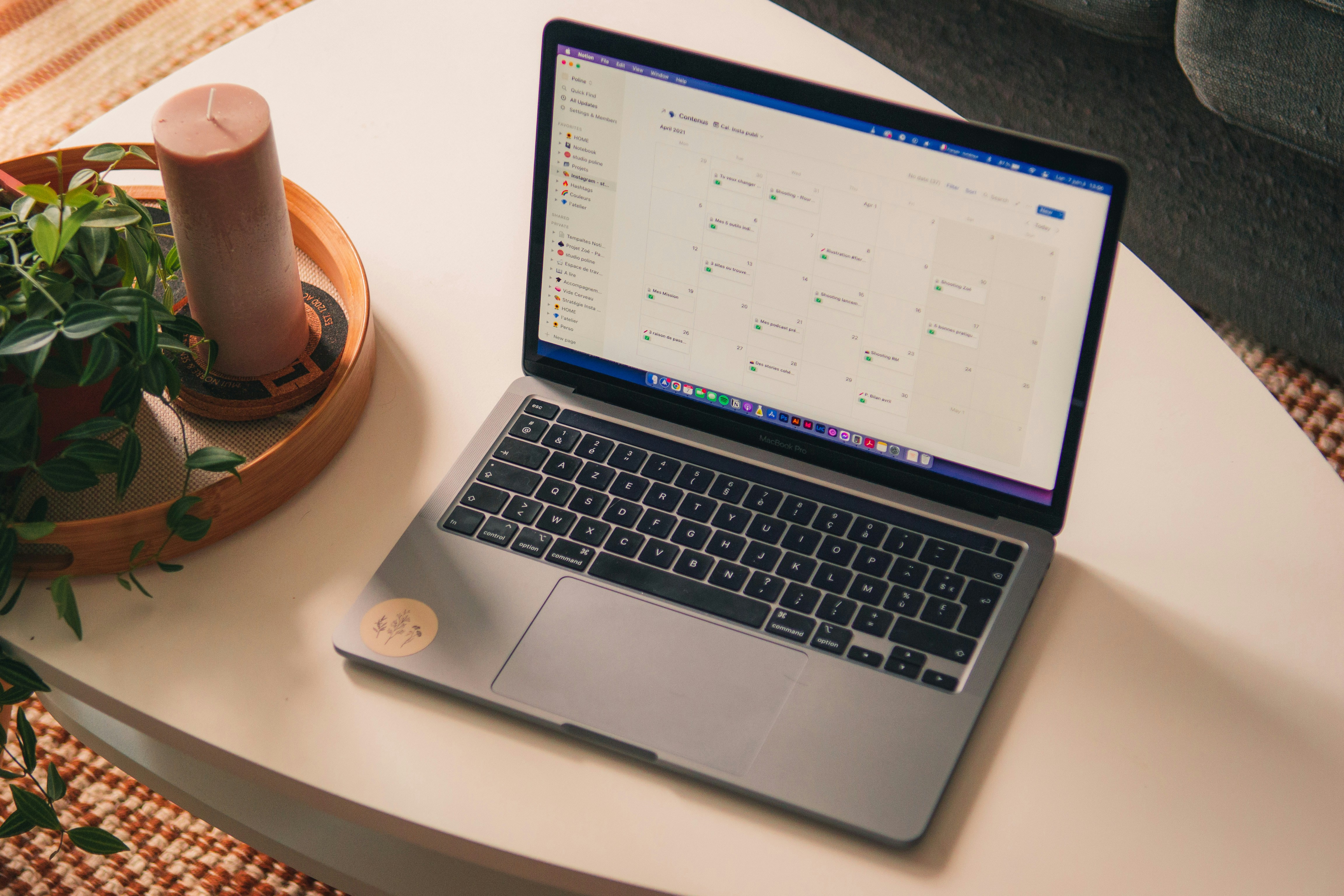
Designing a workspace that feels natural and encourages new ideas helps set the stage for creativity. An orderly environment supports clear thinking and prevents...
Mar 30, 2026
Sharing important news—whether it’s a product launch, an event announcement, or a quick tip—calls for more than just sending a single email. People check their phones...
Mar 30, 2026

Juggling demanding coursework while launching your own project often brings a sense of chaos as deadlines and responsibilities pile up. Exams, research assignments,...
Mar 30, 2026

Building better habits and advancing at work often seems overwhelming, but connecting reliable techniques to your everyday actions can make a significant difference....
Mar 30, 2026

Success in your next campaign begins with choosing the toolkit that fits your needs. Clear metrics, seamless collaboration, and striking visuals become possible when you...
Mar 30, 2026