
Top Study Hacks for Crushing Final Exams on a Tight Schedule
Mar 30, 2026



Many students face a wave of stress as exams approach, yet thoughtful organization and steady routines turn this busy period into an achievable goal. Laying out a practical study schedule helps build confidence and brings a sense of order to your days. When you break large projects into smaller, clear tasks, preparing for exams feels much more manageable. Building these helpful habits not only reduces anxiety but also allows you to concentrate more fully on the material. With some preparation and a positive mindset, you can approach exam season with greater clarity and control, making each day more productive and less overwhelming.
Imagine finishing each day knowing exactly what you tackled and what comes next. That sense of progress can push away stress and keep energy levels high. Let’s dive into seven approaches that cut through chaos and keep you moving forward.
Begin by taking out a calendar or using a planner app. Mark your exam dates first, then work backward to map out study sessions. Sure, it sounds basic, but writing it down turns a vague goal into a concrete plan.
Next, slot in time for classes, meals, exercise, and rest. When you place every commitment on your calendar, you’ll see gaps you can fill with study sessions. Avoid packing back-to-back study blocks that leave no wiggle room for delays or rest.
Tackling huge chapters in one sitting quickly leads to burnout. Instead, slice each chapter into smaller goals—one set of practice problems or one key concept at a time. This technique makes progress feel more immediate and satisfying.
Smaller tasks also help you track your pace. Crossing off mini-goals fuels motivation and shows you exactly where you stand.
When every assignment feels urgent, your energy spreads thin. The Eisenhower Matrix helps you decide what to do now, what to schedule, and what to skip. Draw four squares and label them: Do Now, Schedule, Delegate, Remove.
List tasks based on urgency and importance. “Do Now” covers exams next week. “Schedule” fits projects due later. Most study tasks belong to these two squares. If something feels neither urgent nor important, ask yourself if it truly needs your time.
Using this tool prevents emergency cramming and ensures your efforts go to the right places. You’ll discover where to focus your energy for the best results.
Time blocking helps you avoid drifting into social media or daydreaming. It assigns a specific task to a fixed interval. Over time, your brain learns that this slot is for focused study only.
Start with blocks of 45 to 90 minutes—long enough to dig deep but short enough to stay attentive.
Long study sessions drain your attention span. Taking breaks refreshes your mind and keeps your creativity alive. Schedule them around intense study periods to maintain steady energy levels.
Enjoy these quick breaks without guilt: they’re part of your study plan, not a waste of time.
Digital tools can help you stay on track by reminding you of deadlines, tracking study sessions, and offering community support. Choose one or two that suit your style instead of many that might distract you.
For example, Todoist helps you build daily task lists with deadlines and priorities. Meanwhile, Google Calendar syncs your study blocks across devices and sends alerts when it’s time to switch topics. Pick what feels straightforward, then stick with it.
Share your progress to stay motivated. Arrange a weekly check-in with a study buddy or post updates in a group chat. Watching each other’s logs keeps motivation high and turns milestones into team wins.
Use these seven methods to make exam season manageable and build confidence. Follow your plan and track your progress to stay on course. You can succeed!
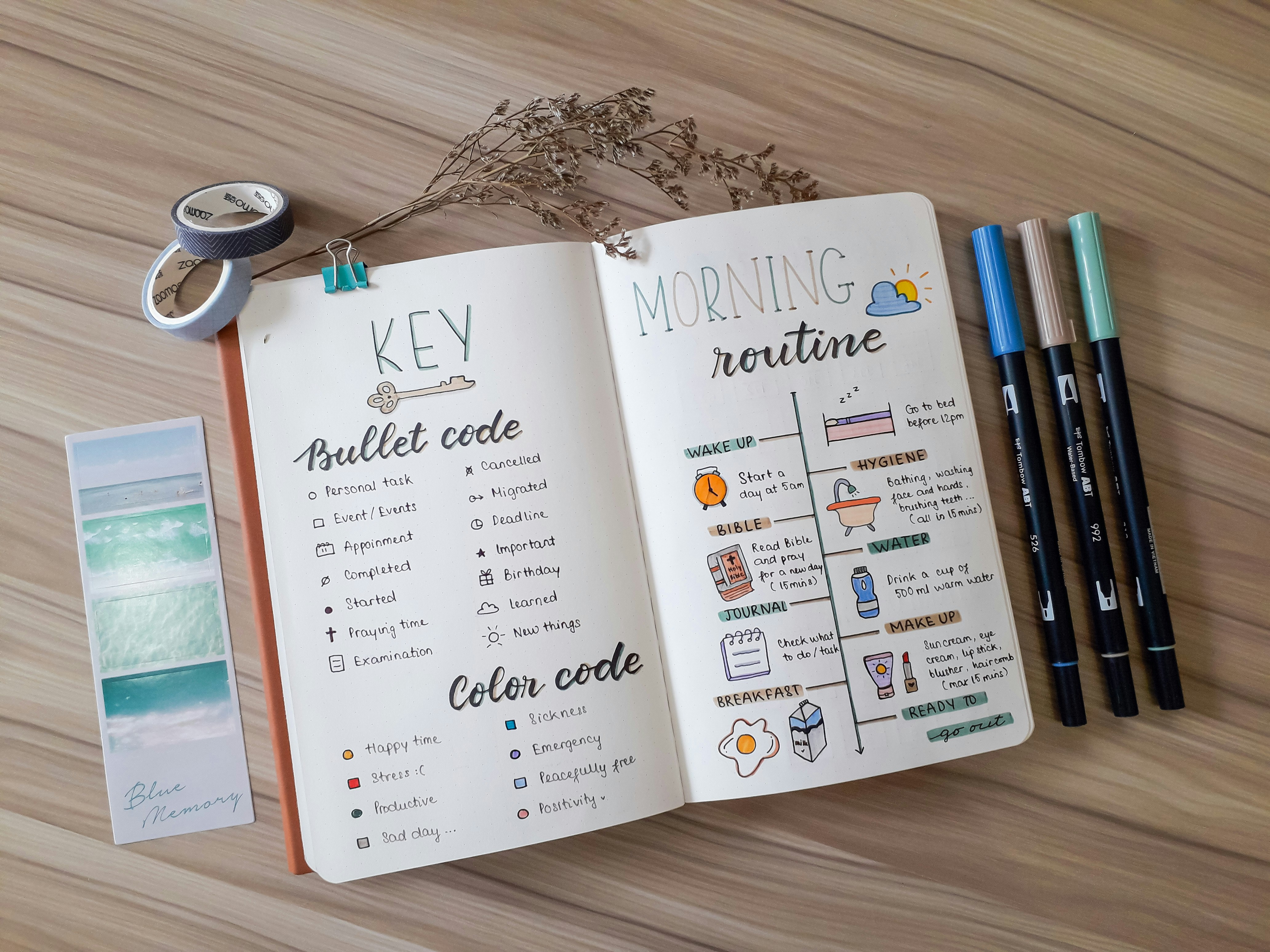
Balancing coursework, homework, and time with friends often feels overwhelming. Using a notebook can help you organize your responsibilities and break down tasks into...
Mar 30, 2026

Balancing academic responsibilities with building a new business calls for organized routines and consistent attention. With a thoughtful approach, you can create a...
Mar 30, 2026

Managing schoolwork alongside a passion project often feels overwhelming, especially when deadlines and ideas start piling up. Reliable tools can help bring structure...
Mar 30, 2026

Grouping similar tasks together and dedicating specific blocks of time to them helps simplify your workflow and make room for fresh ideas. By focusing on one category of...
Mar 30, 2026

Balancing coursework with a side hustle may seem overwhelming at first, yet careful organization and steady progress make it possible. By following straightforward...
Mar 30, 2026

Creating a focused study routine begins with a well-organized plan and reliable resources. Setting aside short, dedicated periods for work helps you concentrate deeply,...
Mar 30, 2026

Building a side project into something larger brings both anticipation and hurdles. You aim to keep up your momentum while making sure routine responsibilities do not...
Mar 30, 2026

Great accomplishments often begin with a simple idea, yet bringing that idea to life calls for careful planning and consistent follow-through. Keeping each stage...
Mar 30, 2026

Most people face days when their to-do list feels endless and keeping up with everything seems impossible. Balancing coursework, job shifts, social commitments, and...
Mar 30, 2026

Designing a workspace that feels natural and encourages new ideas helps set the stage for creativity. An orderly environment supports clear thinking and prevents...
Mar 30, 2026

Building better habits and advancing at work often seems overwhelming, but connecting reliable techniques to your everyday actions can make a significant difference....
Mar 30, 2026

Grouping similar tasks into specific time blocks encourages deep focus and helps ideas develop naturally without frequent interruptions. Writing multiple blog posts...
Mar 30, 2026

Many people find themselves drained after spending hours sending out applications and waiting for replies that seem to take forever. The routine of updating resumes,...
Mar 30, 2026

Building solid organization skills makes it easier to handle projects and daily responsibilities with confidence. Sorting notes, planning out your week, and monitoring...
Mar 30, 2026