
6 Time Management Strategies That Actually Work During Exam Season
Mar 30, 2026



Preparing for final exams with only a short window can seem daunting, yet thoughtful organization and purposeful steps allow you to use your time well. Begin by listing the subjects and chapters you need to review, then assign specific times for each part. Dividing your workload into smaller, manageable tasks makes the process less stressful and lets you concentrate better on what’s in front of you. By focusing on one section at a time, you notice your progress more quickly and can shift your plan if you need to. Setting clear goals for each study session helps you stay on track and motivated throughout your preparation.
No need for all-night cram sessions. Instead, map out a doable schedule and use proven methods that fit your personal style. Maybe you love quizzing yourself, or perhaps drawing concept maps helps information stick. Mixing active work with short breaks keeps energy levels high. By picking a few key habits now, you’ll end your study sessions feeling confident, not drained.
Scheduling this way keeps you on track. You will see exactly where you stand at any moment. If a topic takes longer, you can reassign time without panic. Consistency beats cramming—short sessions each day prove more effective than one marathon run.
Accountability boosts your follow-through. Share your schedule with a friend or post it on your wall. Crossing off blocks feels rewarding and prevents tasks from piling up. When you complete a session, treat yourself to a quick walk or a snack.
Your surroundings shape your focus. If clutter pulls your attention away, spend five minutes clearing your space before you start. A tidy area signals you’re ready to work. Small details—like a water bottle at hand—mean fewer excuses to leave your desk.
Personal touches matter, too. Add a motivational quote or a reminder of your end goal. Seeing what you’re working toward can tip the balance when you feel stuck. These simple tweaks turn your study zone into a productive hub.
Active methods force your brain to retrieve information, which strengthens memory. Passive reading can lull you into thinking you know more than you do. By challenging yourself with questions and explanations, you’ll find weak spots and reinforce them fast.
Switch between techniques to keep things fresh. One session might focus on teaching, the next on flashcards. Mixing approaches prevents boredom and builds deeper connections between ideas.
Combining visuals with repetition cements information. When you review just before bed, your brain continues processing overnight. A quick morning recap then locks in details for exam day.
Track your progress to identify weak spots. If one concept keeps slipping, schedule extra review sessions until you feel it is as natural as the others.
Stress can derail your plans. Take three deep breaths before each session to calm your mind. Use a two-minute stretch break to reset between topics. These small pauses ease tension and refresh your focus.
Keep your energy up with healthy snacks and plenty of water. A sugar crash can wipe out concentration during a crucial review. Balance quick carbs like fruit with proteins or nuts to sustain your brain power.
Set mini rewards. After finishing a tough chapter, treat yourself to a favorite song or ten minutes of social media. These incentives keep you moving forward rather than feeling trapped in endless studying.
Visualize your success. Picture walking out of the exam room confident and satisfied. That mental image can motivate you when you’d rather scroll through your phone.
Find an accountability partner. Check in daily with someone who will ask about your progress. You’ll push yourself harder when someone else expects a report.
Remember that small wins add up. Celebrate finishing every session. Progress, not perfection, leads to great results.
Follow a clear plan, use focused techniques, and manage stress to approach finals confidently. Keep these habits, make adjustments as necessary, and improve your scores.

Juggling remote work, academic courses, and personal projects requires careful organization and determination. Begin by listing every commitment you face this semester,...
Mar 30, 2026

Managing schoolwork alongside a passion project often feels overwhelming, especially when deadlines and ideas start piling up. Reliable tools can help bring structure...
Mar 30, 2026
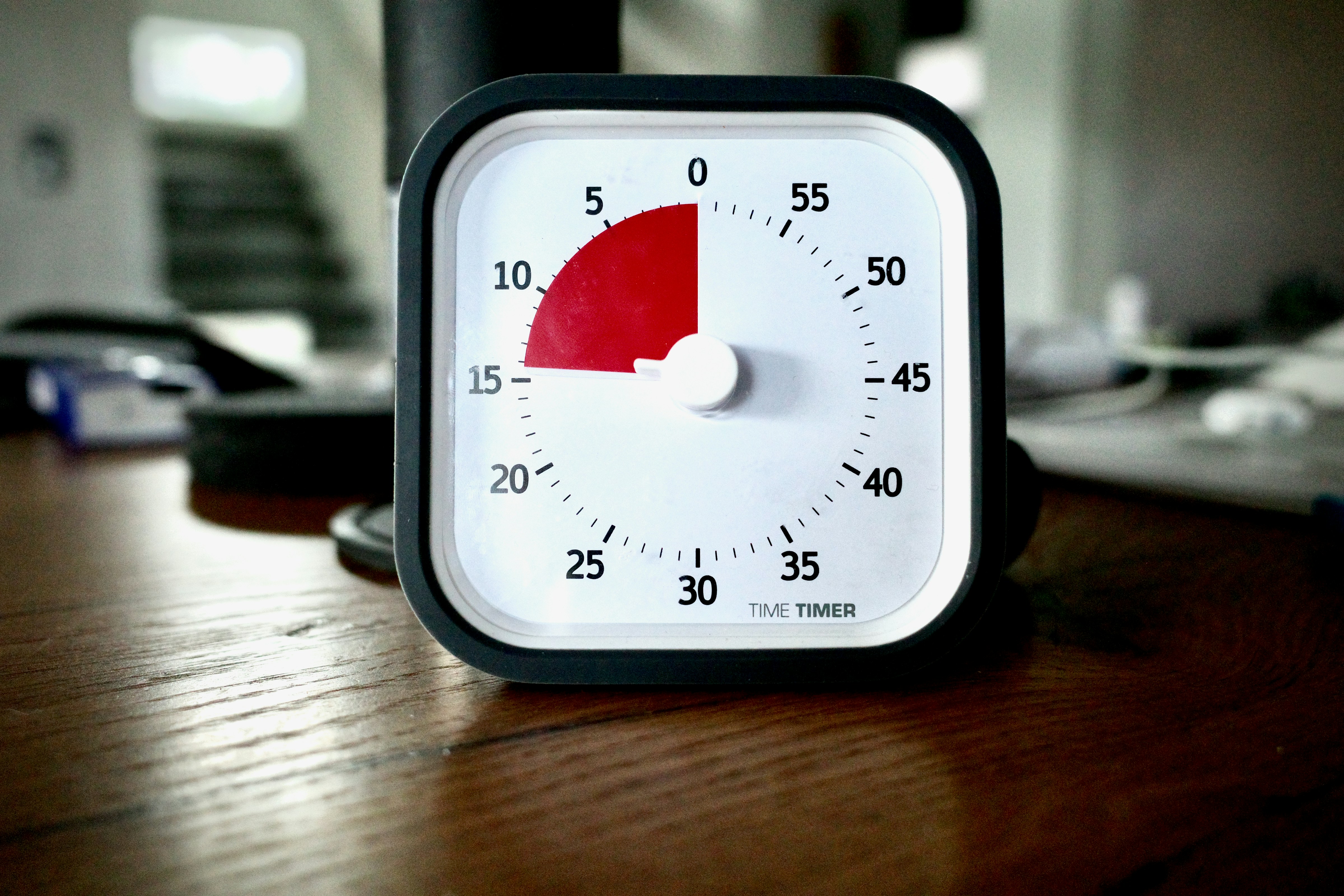
Creating a focused study routine begins with a well-organized plan and reliable resources. Setting aside short, dedicated periods for work helps you concentrate deeply,...
Mar 30, 2026

Most people face days when their to-do list feels endless and keeping up with everything seems impossible. Balancing coursework, job shifts, social commitments, and...
Mar 30, 2026

Launching a new career often comes with both anticipation and uncertainty. Building a relationship with someone who has already navigated this journey can make a...
Mar 30, 2026

Balancing coursework with a side hustle may seem overwhelming at first, yet careful organization and steady progress make it possible. By following straightforward...
Mar 30, 2026
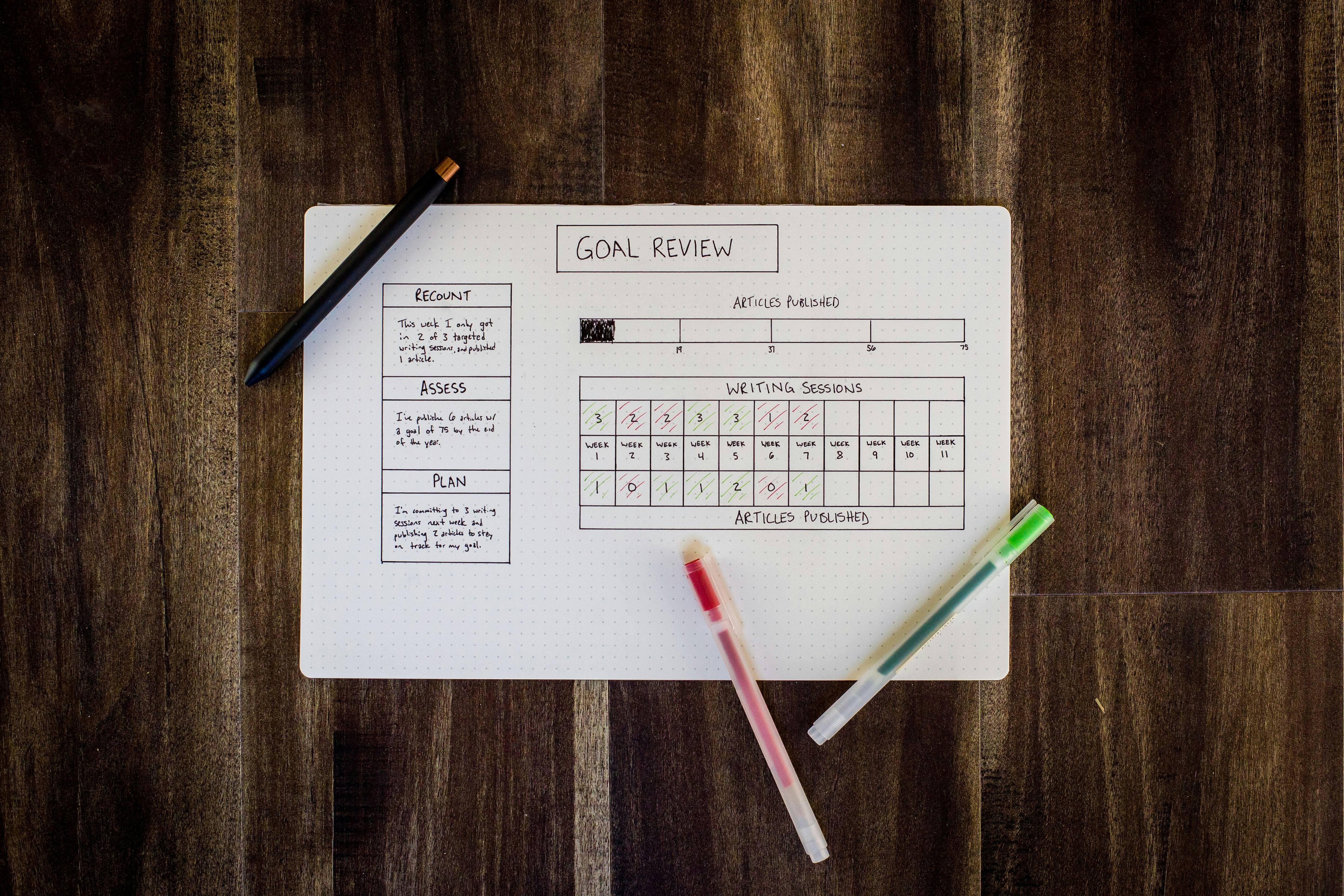
Setting aside a specific area for planning and reflecting can bring a sense of order and focus to each day. Using a productivity journal allows you to organize your...
Mar 30, 2026

Building a new planning routine brings both anticipation and some uncertainty. Many people ask themselves how to select the right tools, create daily habits, and stay...
Mar 30, 2026

Grouping similar tasks into specific time blocks encourages deep focus and helps ideas develop naturally without frequent interruptions. Writing multiple blog posts...
Mar 30, 2026

Grouping similar tasks together and dedicating specific blocks of time to them helps simplify your workflow and make room for fresh ideas. By focusing on one category of...
Mar 30, 2026

Small startups often face the challenge of handling multiple responsibilities at the same time. Founders might find themselves stretched thin as they balance daily tasks...
Mar 30, 2026

Many people notice their minds become clearer and more creative when the world slows in the evening. Working or studying late at night can offer a rare sense of focus...
Mar 30, 2026

Designing a workspace that feels natural and encourages new ideas helps set the stage for creativity. An orderly environment supports clear thinking and prevents...
Mar 30, 2026
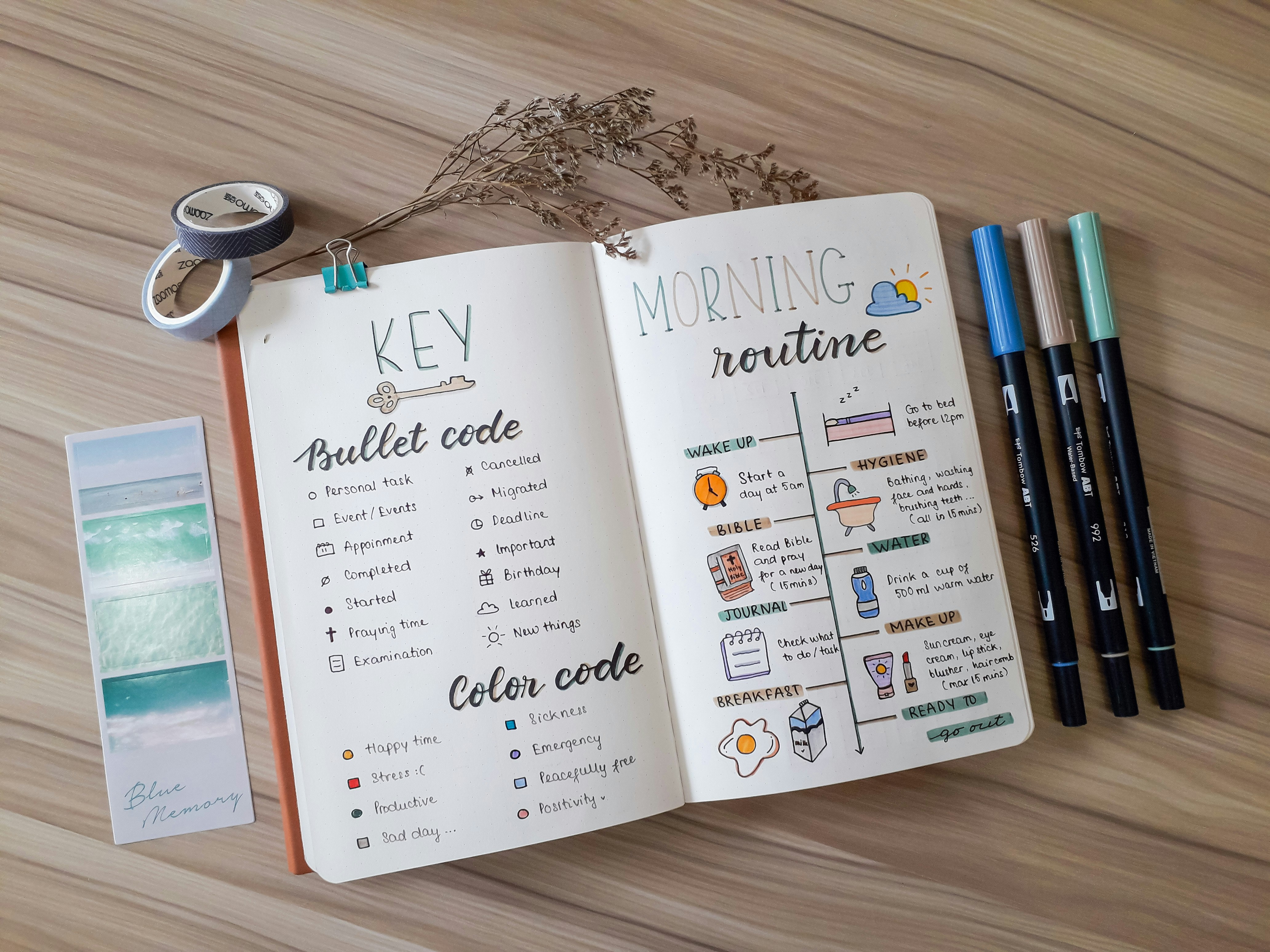
Balancing coursework, homework, and time with friends often feels overwhelming. Using a notebook can help you organize your responsibilities and break down tasks into...
Mar 30, 2026