
Top Study Hacks for Crushing Final Exams on a Tight Schedule
Mar 30, 2026



Building better habits and advancing at work often seems overwhelming, but connecting reliable techniques to your everyday actions can make a significant difference. When you focus on practical steps and see how they play out through genuine examples, progress becomes more manageable. Small, consistent changes each day help you move forward with greater confidence and less stress. By breaking down larger goals into achievable tasks, you set yourself up for ongoing improvement, making each success easier to reach. Clear guidance and real-life applications provide the motivation needed to continue growing, both personally and professionally, without feeling weighed down by the process.
This piece lays out specific tactics for goal setting, managing time, improving teamwork, and tracking results. Each section offers practical advice and shows how small habits add up to big improvements.
Successful organizations often rely on repeatable practices that drive improvement. For instance, teams using Slack channels for real-time updates cut down long email chains and respond faster to issues. Individuals who track tasks in tools like Asana feel more in control because they see priorities laid out clearly.
Connecting these business techniques to personal routines helps you develop a consistent workflow. When you dedicate fifteen minutes each morning to review tasks, you mirror how high-performing groups run stand-up meetings. That brief check-in sets a purposeful tone for what comes next.
Having precise targets keeps you motivated and prevents wasted effort. Instead of vague aims like “get better at sales,” break them down into measurable results. That shift turns ambition into a roadmap you can follow.
When you write each step and put it somewhere visible—like a sticky note on your laptop—you turn abstract goals into concrete tasks. That simple act helps you stay focused and accountable every day.
Time slips away quickly when you juggle tasks without a structure. Building simple routines around effective practices keeps you productive without adding stress. Start by analyzing how you currently spend your hours and identifying where distractions creep in.
These methods offer a clear schedule that removes guesswork. As you train yourself to follow the plan, you’ll find more time for creative work and personal projects.
Working smoothly with others depends on clear expectations and regular check-ins. When everyone knows who does what and by when, the team progresses with fewer hiccups. Simple practices prevent misunderstandings and keep energy high.
Try brief daily huddles where each person states their top three tasks for the day. That habit creates shared awareness and surfaces roadblocks early. For longer-term projects, use shared boards in Trello or a collaborative document to list tasks and assign responsibilities. This way, nobody wonders what comes next.
Willpower dips when you push too hard without support. Building routines that feel rewarding prevents burnout and keeps you moving forward. Start by linking new habits to existing ones—for example, review your task list right after your morning coffee.
Celebrate small wins to create positive feedback loops. When you complete a challenging call or finish a module ahead of schedule, mark it on a progress chart. Over time, those markers show how far you’ve come and encourage you to tackle the next challenge.
Tracking results turns guesswork into data-driven insights. Use simple metrics: number of sales calls, hours spent on a skill, or tasks completed on time. Logging these figures daily reveals trends that guide adjustments.
Every week, review what went as planned and where you missed targets. Did certain activities lead to faster outcomes? Did distractions eat into important work? Based on your findings, tweak your schedule, allocate more time to high-impact tasks, and drop steps that stall progress. This ongoing cycle keeps improvement steady.
Small, consistent actions lead to progress over time. Applying these techniques helps you reach your goals and enjoy the growth process.

Many people find themselves drained after spending hours sending out applications and waiting for replies that seem to take forever. The routine of updating resumes,...
Mar 30, 2026

Building solid organization skills makes it easier to handle projects and daily responsibilities with confidence. Sorting notes, planning out your week, and monitoring...
Mar 30, 2026

Small startups often face the challenge of handling multiple responsibilities at the same time. Founders might find themselves stretched thin as they balance daily tasks...
Mar 30, 2026

Juggling demanding coursework while launching your own project often brings a sense of chaos as deadlines and responsibilities pile up. Exams, research assignments,...
Mar 30, 2026

Clear goals lay the groundwork for guiding your career toward meaningful achievements. By pinpointing your priorities, you build the confidence to move purposefully from...
Mar 30, 2026

Grouping similar tasks into specific time blocks encourages deep focus and helps ideas develop naturally without frequent interruptions. Writing multiple blog posts...
Mar 30, 2026
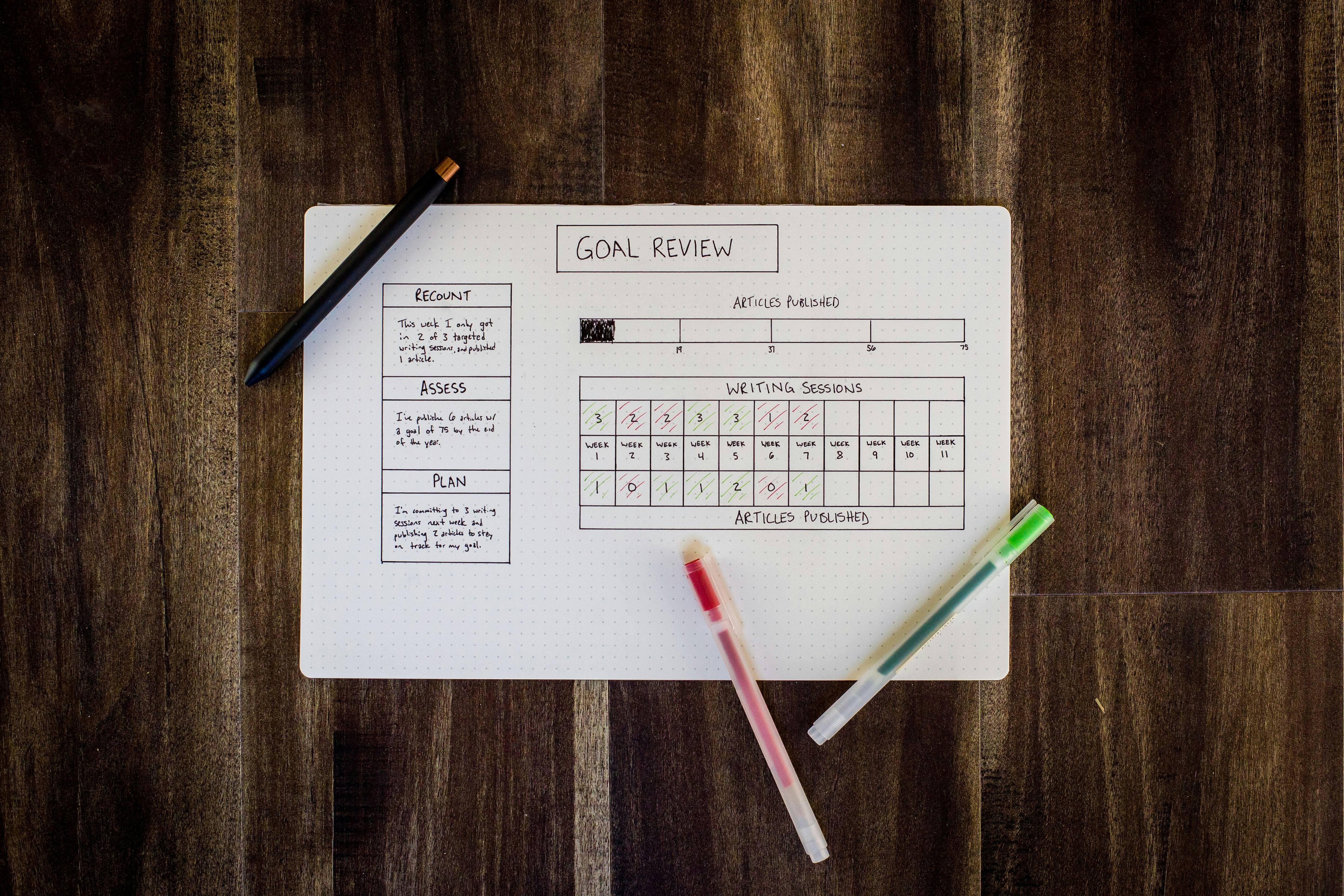
Setting aside a specific area for planning and reflecting can bring a sense of order and focus to each day. Using a productivity journal allows you to organize your...
Mar 30, 2026

Building a new planning routine brings both anticipation and some uncertainty. Many people ask themselves how to select the right tools, create daily habits, and stay...
Mar 30, 2026

Creating routines that last often starts by keeping track of everyday actions until they feel automatic. Habit tracking makes it easier to see your progress, keep your...
Mar 30, 2026

Facing a tight deadline often creates a sense of pressure when you notice the amount of unfinished work on your plate. Distractions like scrolling through social media...
Mar 30, 2026

Great accomplishments often begin with a simple idea, yet bringing that idea to life calls for careful planning and consistent follow-through. Keeping each stage...
Mar 30, 2026

Completing an entire month’s collection of social posts, blog drafts, and graphics within just a few dedicated days brings a deep sense of accomplishment. Checking every...
Mar 30, 2026

Designing a workspace that feels natural and encourages new ideas helps set the stage for creativity. An orderly environment supports clear thinking and prevents...
Mar 30, 2026
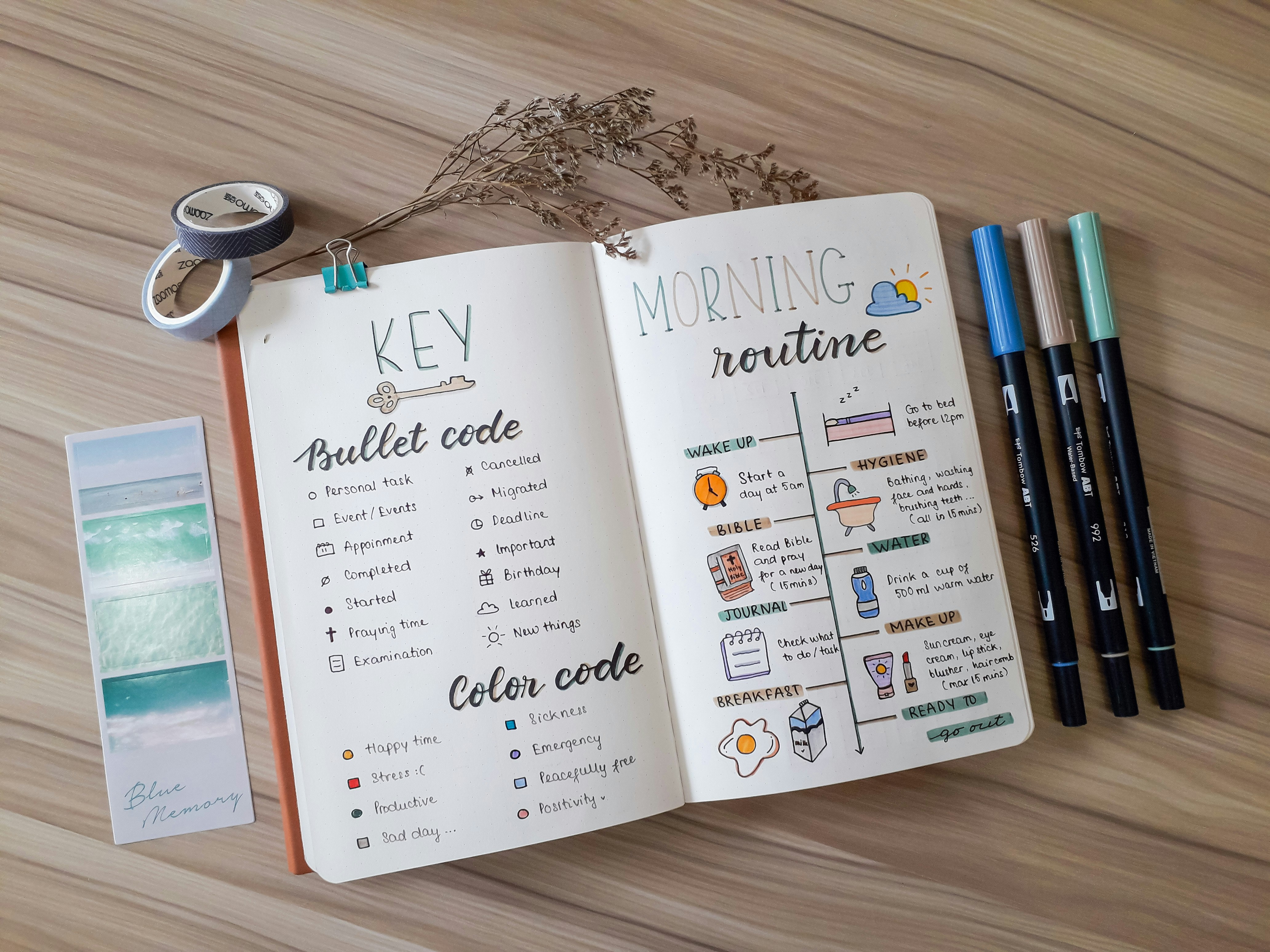
Balancing coursework, homework, and time with friends often feels overwhelming. Using a notebook can help you organize your responsibilities and break down tasks into...
Mar 30, 2026