
Top Study Hacks for Crushing Final Exams on a Tight Schedule
Mar 30, 2026



Creating a focused study routine begins with a well-organized plan and reliable resources. Setting aside short, dedicated periods for work helps you concentrate deeply, allowing you to get the most out of every study session. When you break your workload into manageable time blocks and intentionally pause for brief breaks, you prevent fatigue and keep your mind sharp. This approach makes even the most challenging assignments feel more approachable, and you finish your tasks with a greater sense of accomplishment. With the right structure and consistent breaks, studying can become both productive and more enjoyable.
You’ll learn how to set up your space, run each focus block, and handle common interruptions. Clear steps guide you from your first timer ring to the last review of the day. Ready to dive into study sessions that feel manageable and even fun?
This method uses a simple time tracker or an app to mark each focus block as a “pomodoro.” It encourages brief rests to recharge and stops tasks from dragging on indefinitely. You finish each cycle with a clear sense of what you’ve achieved.
By noting completed intervals, you also create a record of effort. Seeing five or ten markers by day’s end shows you exactly how much time you devoted to specific tasks. That feedback can help you set realistic daily goals.
Choose a spot with minimal noise and few open tabs. Turn off nonessential notifications on your devices, and clear your desk of items that don’t relate to the current task. A tidy workspace prevents wandering thoughts.
Gather only the books, notes, and pens you need. Keep snacks and water within arm’s reach so you avoid standing up mid-session. Use a simple timer—any kitchen timer, phone timer, or an online tool works.
Adjust the length if needed. Some people find 30/10 or 20/5 works better. The goal remains: short sprints with planned rests.
Track completed intervals in a notebook or spreadsheet. At week’s end, review totals to spot patterns. You might realize you concentrate best in the morning or that certain subjects need shorter blocks.
Smartphones often steal focus. Before starting, put your device on silent and flip it face down. Place it out of arm’s reach so you resist the impulse to check messages.
Chatty roommates or family members can interrupt mid-session. Use noise-cancelling headphones or a door sign reading “Focus time.” Explain your plan so others know when you’ll be unavailable.
If thoughts drift to chores or texts, jot them down quickly and keep working. A brief note lets your mind know you’ll return to that idea later, without throwing off your current task.
When external alerts pop up—emails, alerts, or calendar reminders—turn them off or check them during longer breaks. Handling such interruptions in blocks preserves your flow.
Start each day by listing three top tasks. Rank them by importance and assign one or two pomodoros to each item. This plan keeps you focused on what matters most.
Create a simple reward jar. After every ten pomodoros, drop a coin in or place a small token inside. At month’s end, cash in for a treat—like a coffee outing or a movie night.
Vary your break activities. One break you might stretch, the next you step outside for fresh air. Switching up small movements prevents monotony and recharges your mind differently each time.
Use visual tracking tools, such as a chart on your wall. Color-code each task by subject or project. Watching the chart fill up builds momentum and motivates you to tackle the next block.
Reflect briefly at the end of each day. Note what worked, what felt off, and how you can tweak intervals tomorrow. This habit sharpens your approach and makes each session more effective.
Try this method tomorrow. Clear targets and built-in pauses help you make steady progress, one focused session at a time.

Most people face days when their to-do list feels endless and keeping up with everything seems impossible. Balancing coursework, job shifts, social commitments, and...
Mar 30, 2026

Juggling demanding coursework while launching your own project often brings a sense of chaos as deadlines and responsibilities pile up. Exams, research assignments,...
Mar 30, 2026

Many people notice their minds become clearer and more creative when the world slows in the evening. Working or studying late at night can offer a rare sense of focus...
Mar 30, 2026

Building solid organization skills makes it easier to handle projects and daily responsibilities with confidence. Sorting notes, planning out your week, and monitoring...
Mar 30, 2026

Grouping similar tasks together and dedicating specific blocks of time to them helps simplify your workflow and make room for fresh ideas. By focusing on one category of...
Mar 30, 2026

Grouping similar tasks into specific time blocks encourages deep focus and helps ideas develop naturally without frequent interruptions. Writing multiple blog posts...
Mar 30, 2026
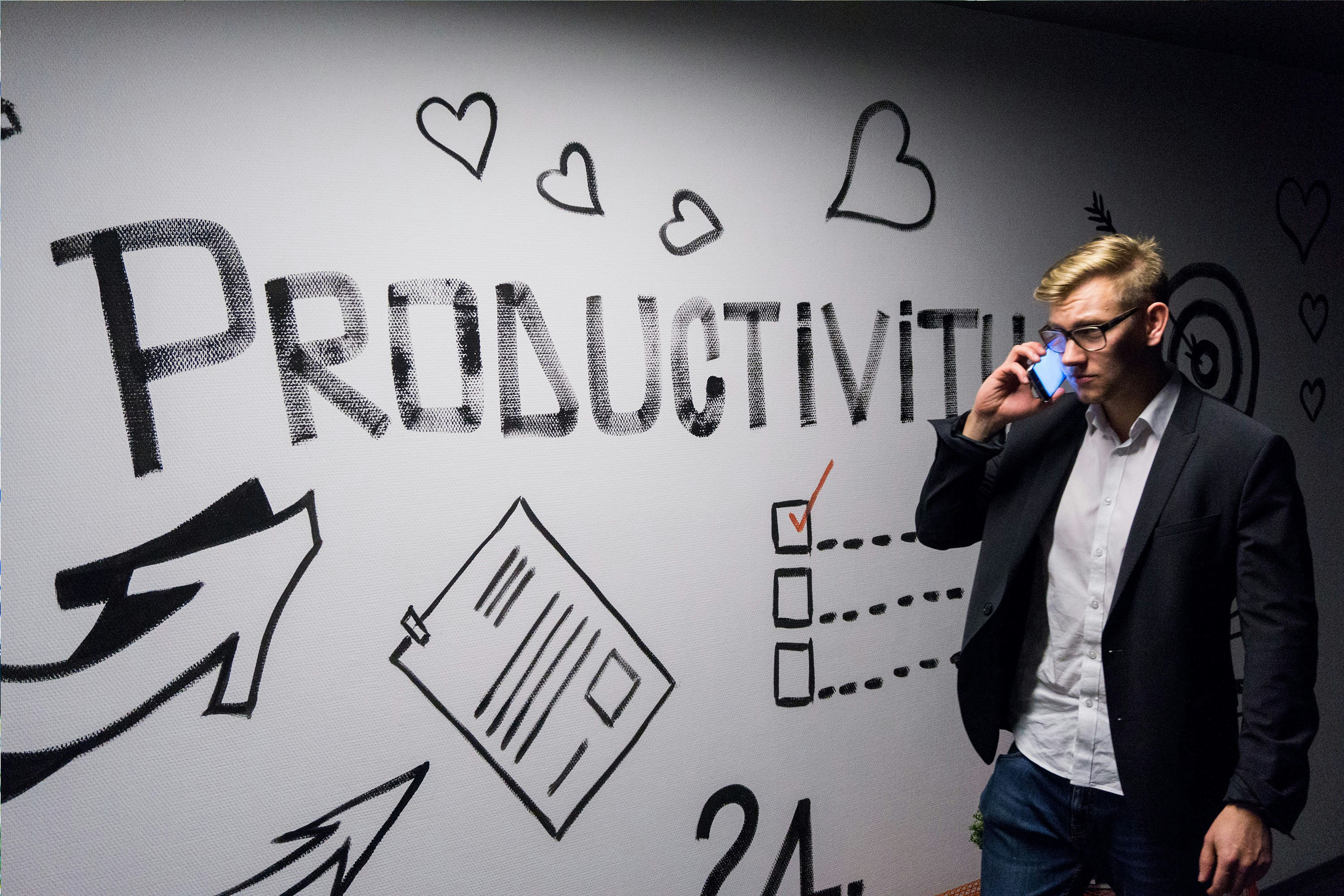
Building a side project into something larger brings both anticipation and hurdles. You aim to keep up your momentum while making sure routine responsibilities do not...
Mar 30, 2026

Many people find themselves drained after spending hours sending out applications and waiting for replies that seem to take forever. The routine of updating resumes,...
Mar 30, 2026

Juggling remote work, academic courses, and personal projects requires careful organization and determination. Begin by listing every commitment you face this semester,...
Mar 30, 2026
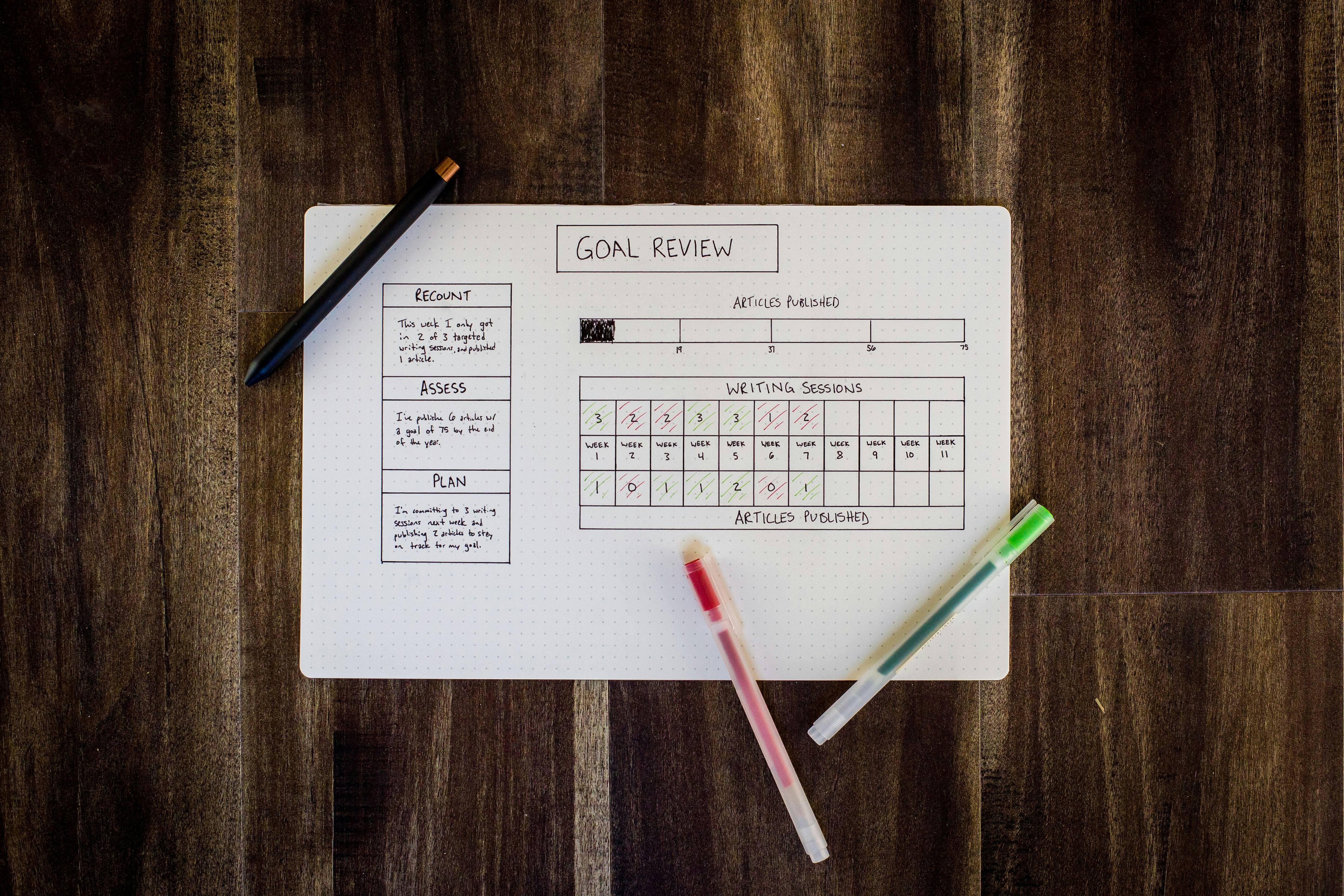
Setting aside a specific area for planning and reflecting can bring a sense of order and focus to each day. Using a productivity journal allows you to organize your...
Mar 30, 2026

Managing schoolwork alongside a passion project often feels overwhelming, especially when deadlines and ideas start piling up. Reliable tools can help bring structure...
Mar 30, 2026

Balancing academic responsibilities with building a new business calls for organized routines and consistent attention. With a thoughtful approach, you can create a...
Mar 30, 2026

Building better habits and advancing at work often seems overwhelming, but connecting reliable techniques to your everyday actions can make a significant difference....
Mar 30, 2026

Creative sparks can strike at unexpected moments, whether you jot down a concept during lunch or dream up a new approach while commuting. Turning those sudden flashes of...
Mar 30, 2026