6 Goal Setting Tactics for Early Career Success
Mar 30, 2026



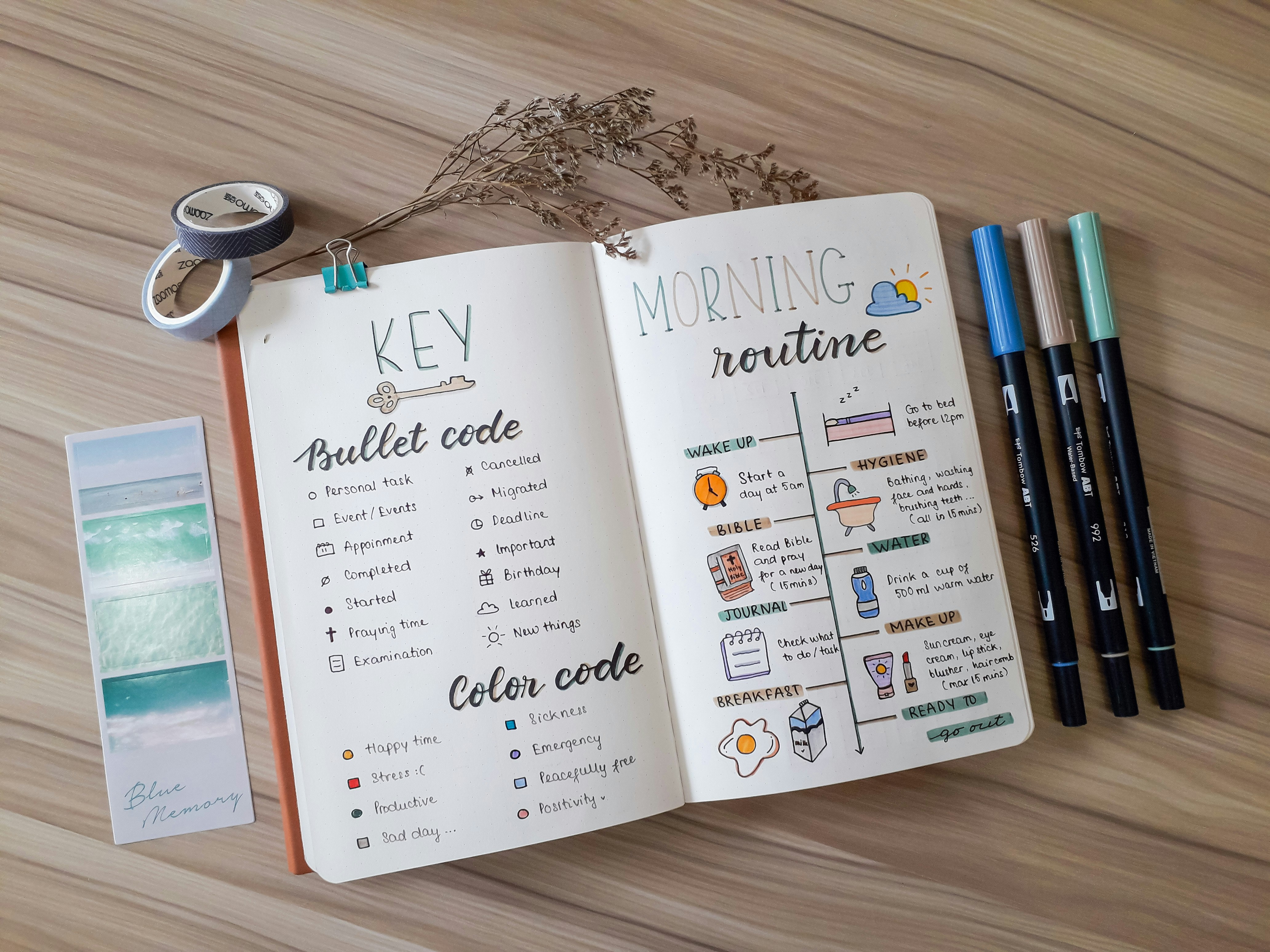
Setting aside a specific area for planning and reflecting can bring a sense of order and focus to each day. Using a productivity journal allows you to organize your thoughts, capture important tasks, and record valuable ideas as they come to you. Writing down your goals and noting your daily achievements turns fleeting intentions into purposeful steps you can follow. As you document your journey, your progress becomes visible and motivating. With a journal, you create a personal roadmap that keeps you focused on what truly matters, helping you approach each day with intention and a clear sense of direction.
This guide walks you through each step of building a journal that fits your style and goals. You’ll learn how to set targets, craft daily entries, and maintain momentum over weeks. Ready to design a tool that sparks motivation every morning? Let’s dive in.
Clear targets help you measure progress and celebrate small wins. When you check off a daily task that ties back to a bigger goal, you reinforce the habit of productivity. You’ll feel a sense of control when every entry maps back to a purpose.
Your journal’s format shapes how you interact with it. You might choose a bound notebook with lined pages or a dot-grid journal that lets you mix lists and sketches. If you prefer a digital option, apps like Evernote or Notion can sync across devices and support reminders.
Consider these factors when picking a style:
Pick a format that excites you every day. The easier it is to use, the more likely you’ll keep the habit.
Following this layout each morning helps you create a routine that primes your mind for productivity. Writing down your focus helps you resist distractions, and the evening review keeps you honest about what worked and what didn’t.
Adjust each step based on your schedule. If you need a longer reflection, keep entries concise enough to complete quickly so you don’t skip the ritual.
Set aside a consistent time each week, like Sunday evening, for this review. Regularly reviewing prevents small issues from snowballing and keeps your journal aligned with your changing priorities.
Use colored pens or highlighters to mark standout moments. Visual cues can boost your motivation when you flip through old pages and see how far you’ve come.
Writing in your journal every day can feel like a chore if you forget your reasons. Remind yourself of the benefits: completing a project early, improving your skills, or finding more balance in your life.
Here are some tips to keep your momentum:
Incorporating smaller reminders into your environment makes daily journaling a natural part of your routine. When the habit becomes consistent, you will notice regular improvements in focus and accomplishments.
Building a productivity journal requires an initial investment of time and planning, but it pays off with ongoing clarity and progress. Begin today by defining one clear target, choosing a format you enjoy, and writing your intention for tomorrow.
Begin today by opening your journal and setting a clear goal for tomorrow. Take consistent steps each day to move closer to your biggest aspirations.

Creating routines that last often starts by keeping track of everyday actions until they feel automatic. Habit tracking makes it easier to see your progress, keep your...
Mar 30, 2026

Building a new planning routine brings both anticipation and some uncertainty. Many people ask themselves how to select the right tools, create daily habits, and stay...
Mar 30, 2026

Building a side project into something larger brings both anticipation and hurdles. You aim to keep up your momentum while making sure routine responsibilities do not...
Mar 30, 2026

Great accomplishments often begin with a simple idea, yet bringing that idea to life calls for careful planning and consistent follow-through. Keeping each stage...
Mar 30, 2026

Most people face days when their to-do list feels endless and keeping up with everything seems impossible. Balancing coursework, job shifts, social commitments, and...
Mar 30, 2026

Creating a focused study routine begins with a well-organized plan and reliable resources. Setting aside short, dedicated periods for work helps you concentrate deeply,...
Mar 30, 2026

Many people find themselves drained after spending hours sending out applications and waiting for replies that seem to take forever. The routine of updating resumes,...
Mar 30, 2026

Many students face a wave of stress as exams approach, yet thoughtful organization and steady routines turn this busy period into an achievable goal. Laying out a...
Mar 30, 2026

Facing a tight deadline often creates a sense of pressure when you notice the amount of unfinished work on your plate. Distractions like scrolling through social media...
Mar 30, 2026

Balancing academic responsibilities with building a new business calls for organized routines and consistent attention. With a thoughtful approach, you can create a...
Mar 30, 2026

Preparing for final exams with only a short window can seem daunting, yet thoughtful organization and purposeful steps allow you to use your time well. Begin by listing...
Mar 30, 2026

Juggling demanding coursework while launching your own project often brings a sense of chaos as deadlines and responsibilities pile up. Exams, research assignments,...
Mar 30, 2026

Launching a new venture often brings a mix of excitement and uncertainty, particularly if you haven’t created a formal plan before. This guide breaks down each stage of...
Mar 30, 2026

Building solid organization skills makes it easier to handle projects and daily responsibilities with confidence. Sorting notes, planning out your week, and monitoring...
Mar 30, 2026