How to Create a Productivity Journal That Motivates Daily Action
Mar 30, 2026



Creating routines that last often starts by keeping track of everyday actions until they feel automatic. Habit tracking makes it easier to see your progress, keep your motivation high, and make changes when something isn’t working. You can choose to jot down your habits with pen and paper or use a digital app—both offer a clear view of your daily choices and help you stay on target. This guide covers a variety of approaches to tracking habits, including practical examples that fit into busy schedules. You’ll also find easy-to-follow instructions designed to help you build consistency and maintain your momentum over time.
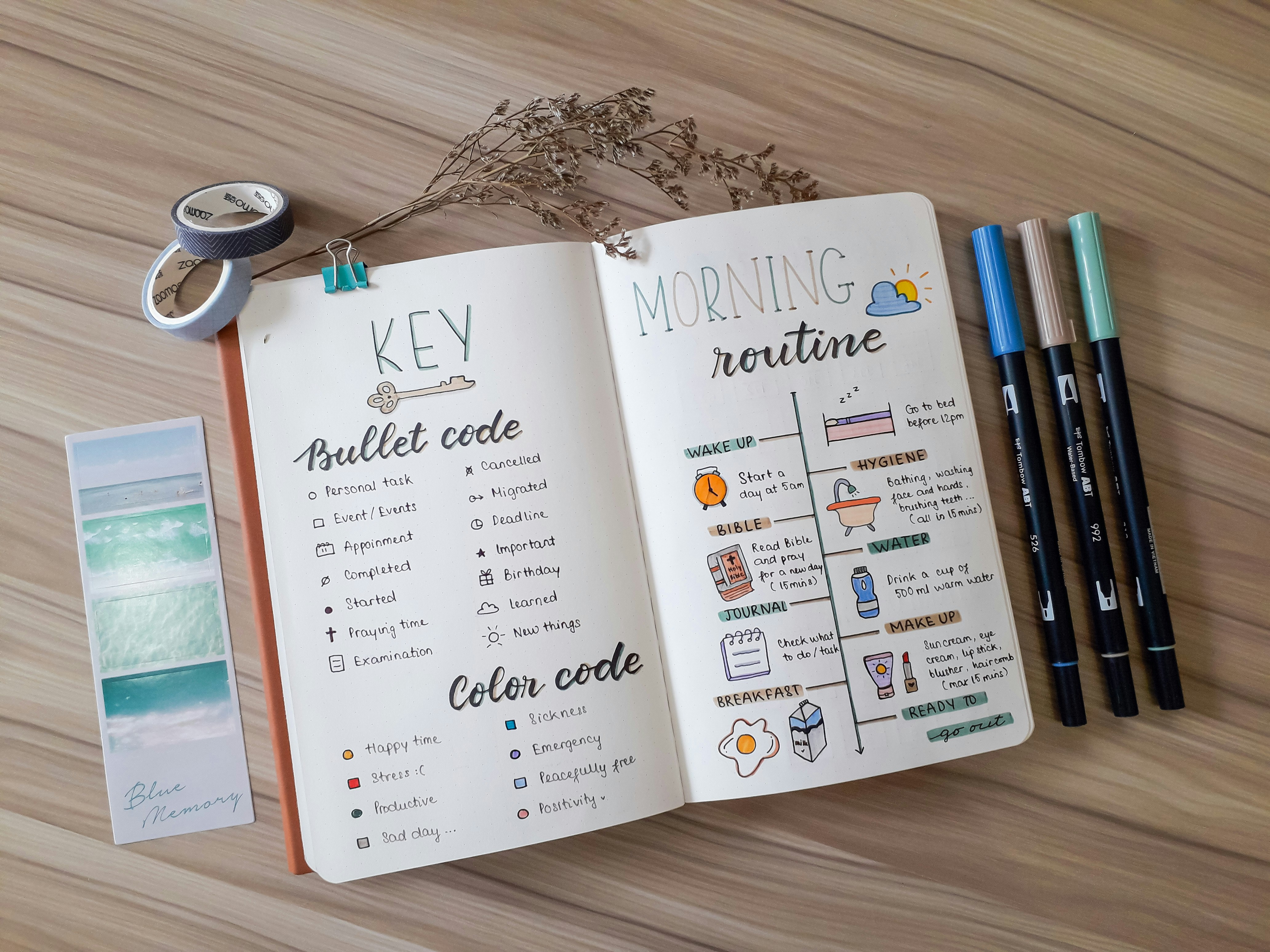
Writing in a journal each morning or evening anchors your day. Choose a simple notebook or a dotted journal. Set aside five minutes to record what you plan to do or what you actually did. Jot down three to five habits—exercise, reading, waking up early—and mark each completed task with a symbol like a dot or checkmark. Add a short note about how you felt or what got in the way.
Take Sara’s example: she tracks meditation, cutting back on social media, and studying language vocabulary. On tough days, she writes one sentence about why she struggled—often lack of time or distractions—and adjusts her plan by scheduling shorter sessions. That tiny reflection sparks small changes that accumulate into big results over weeks.
Apps offer convenience when you want reminders and charts at your fingertips. Habitica turns tracking into a game by rewarding you with points and unlocking character gear as you check off daily goals. Streaks keeps things simple by showing only your active habits and a big counter for consecutive days. Coach.me connects you with real coaches who give feedback when you log your actions.
Imagine logging a 15-minute workout in Streaks first thing in the morning. Seeing the streak grow from three to five days motivates you to reach day six. If you miss a day, the app nudges you with a friendly alert. Over time, those nudges train your brain to expect the habit. You’ll notice you open the app automatically even before you eat breakfast.
The Habit Chain Technique uses a visual chain to remind you of daily practices. Hang a calendar on your wall and draw a big “X” for each day you complete your habit. As the chain of X’s grows, you avoid breaking the link because you don’t want to ruin the streak you’ve built.
Tony Robbins popularized this method, but you can customize it. If you’re learning guitar, mark green for practice days, red for off days, and add a sticker each week you hit a milestone. That color and sticker combo creates a visual progress bar you can’t ignore.
Tracking daily actions provides clarity and keeps you aligned with your goals. By choosing a method that fits your style—writing in a journal, tapping an app, or marking a calendar chain—you stay on top of habits without feeling overwhelmed. Pick one approach, give it a trial run for two weeks, then refine it based on what you learn.
Begin today by choosing one habit and making your first entry, either with a notebook or an app. Consistent effort turns small steps into lasting routines.

Clear goals lay the groundwork for guiding your career toward meaningful achievements. By pinpointing your priorities, you build the confidence to move purposefully from...
Mar 30, 2026

Creating a focused study routine begins with a well-organized plan and reliable resources. Setting aside short, dedicated periods for work helps you concentrate deeply,...
Mar 30, 2026

Building better habits and advancing at work often seems overwhelming, but connecting reliable techniques to your everyday actions can make a significant difference....
Mar 30, 2026

Building solid organization skills makes it easier to handle projects and daily responsibilities with confidence. Sorting notes, planning out your week, and monitoring...
Mar 30, 2026

Many people find themselves drained after spending hours sending out applications and waiting for replies that seem to take forever. The routine of updating resumes,...
Mar 30, 2026

Great accomplishments often begin with a simple idea, yet bringing that idea to life calls for careful planning and consistent follow-through. Keeping each stage...
Mar 30, 2026

Balancing academic responsibilities with building a new business calls for organized routines and consistent attention. With a thoughtful approach, you can create a...
Mar 30, 2026

Most people face days when their to-do list feels endless and keeping up with everything seems impossible. Balancing coursework, job shifts, social commitments, and...
Mar 30, 2026

Many students face a wave of stress as exams approach, yet thoughtful organization and steady routines turn this busy period into an achievable goal. Laying out a...
Mar 30, 2026

Juggling demanding coursework while launching your own project often brings a sense of chaos as deadlines and responsibilities pile up. Exams, research assignments,...
Mar 30, 2026

Creative sparks can strike at unexpected moments, whether you jot down a concept during lunch or dream up a new approach while commuting. Turning those sudden flashes of...
Mar 30, 2026

Building a new venture means making sense of a complex world filled with numbers, decisions, and possibilities. Understanding the essentials of finance provides a solid...
Mar 30, 2026

Creating a team where everyone feels heard and valued requires more than just hoping for the best. Clear actions help each member feel respected and acknowledged right...
Mar 30, 2026

Managing schoolwork alongside a passion project often feels overwhelming, especially when deadlines and ideas start piling up. Reliable tools can help bring structure...
Mar 30, 2026